
Feeding, Hydration, and Health During Winter Storms
Snowstorms can easily disrupt your dog’s daily routine, especially when it comes to feeding, hydration, and overall health. Changes in activity level, stress, and limited outdoor access can all affect how your dog eats, drinks, and feels during winter storms.
Maintaining consistency and paying close attention to your dog’s needs helps prevent small issues from turning into larger health concerns.
Stick to Regular Feeding Schedules
Dogs thrive on routine, and snowstorms are no exception.
Even when weather conditions are challenging:
-
Feed meals at normal times
-
Avoid unnecessary diet changes
-
Measure portions carefully
Keeping feeding schedules consistent provides comfort and stability when other parts of the day feel unpredictable.
Adjust Portions Based on Activity Level
Winter storms often limit physical exercise.
If your dog is less active:
-
Monitor weight and body condition
-
Avoid increasing food out of boredom
-
Use low-calorie treats for enrichment
For dogs that still enjoy outdoor play in cold weather, consult your veterinarian if you’re unsure whether portion adjustments are needed.
Encourage Proper Hydration
Dogs may drink less water during cold weather, increasing the risk of dehydration.
Encourage hydration by:
-
Offering fresh, room-temperature water
-
Cleaning bowls frequently
-
Adding moisture to meals if appropriate
Proper hydration supports digestion, joint health, and temperature regulation.
 Monitor Digestive Health
Stress, routine changes, and reduced movement can affect digestion.
Watch for:
-
Changes in appetite
-
Loose stool or constipation
-
Increased gas or discomfort
If digestive changes persist beyond the storm, consult your veterinarian for guidance.
Protect Joint and Mobility Health
Cold weather can be especially hard on senior dogs or those with joint issues.
Support joint health by:
-
Providing warm, cushioned bedding
-
Limiting slippery surfaces
-
Keeping your dog warm during outings
Consider discussing joint supplements or mobility support with your veterinarian.
Maintain Grooming and Skin Care
Dry winter air can impact your dog’s skin and coat.
Helpful practices include:
-
Regular brushing
-
Using dog-safe moisturizers
-
Avoiding over-bathing
Check paws, ears, and skin folds frequently for irritation.
 Be Alert for Cold-Related Illness
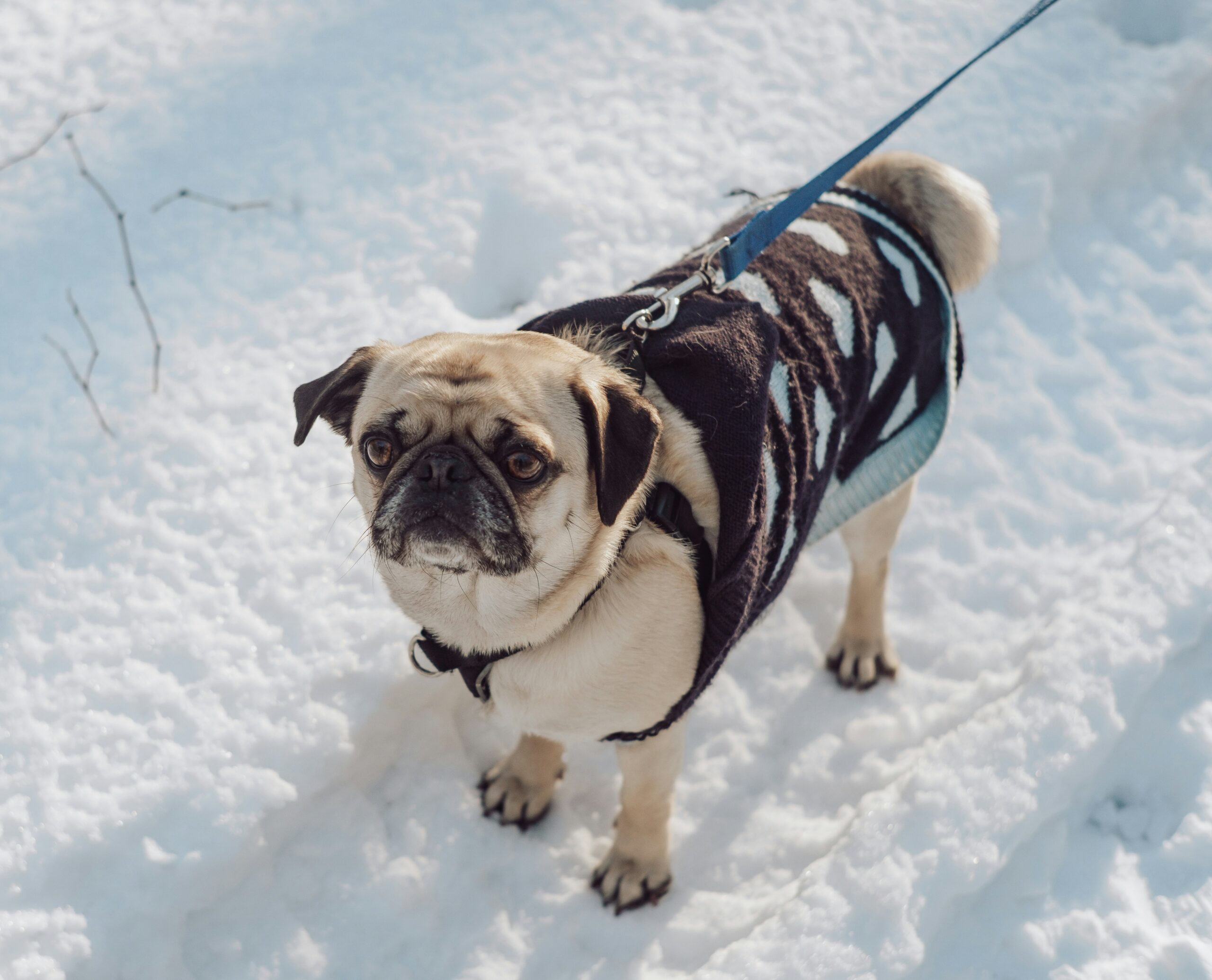
Even short exposure to cold can affect some dogs.
Contact your vet if you notice:
-
Lethargy
-
Persistent shivering
-
Pale gums
-
Weakness or confusion
Early intervention can prevent serious complications.
Health Comes From Consistency
Maintaining feeding routines, hydration, and basic health care during winter storms helps your dog stay resilient and comfortable. When your dog feels physically well, they’re better equipped to handle the emotional challenges that storms can bring.