
Keeping Senior Dogs Mobile and Strong
Aging doesn’t mean slowing to a stop — it means adjusting thoughtfully.
One of the biggest mistakes owners make with senior dogs is assuming they should dramatically reduce activity. While older dogs absolutely need adjustments, movement is still one of the most important tools for preserving both physical and emotional health.
The key isn’t less movement. It’s smarter movement.
Let’s talk about how to keep senior dogs mobile, strong, and comfortable without overdoing it.
 Why Mobility Matters More Than Ever
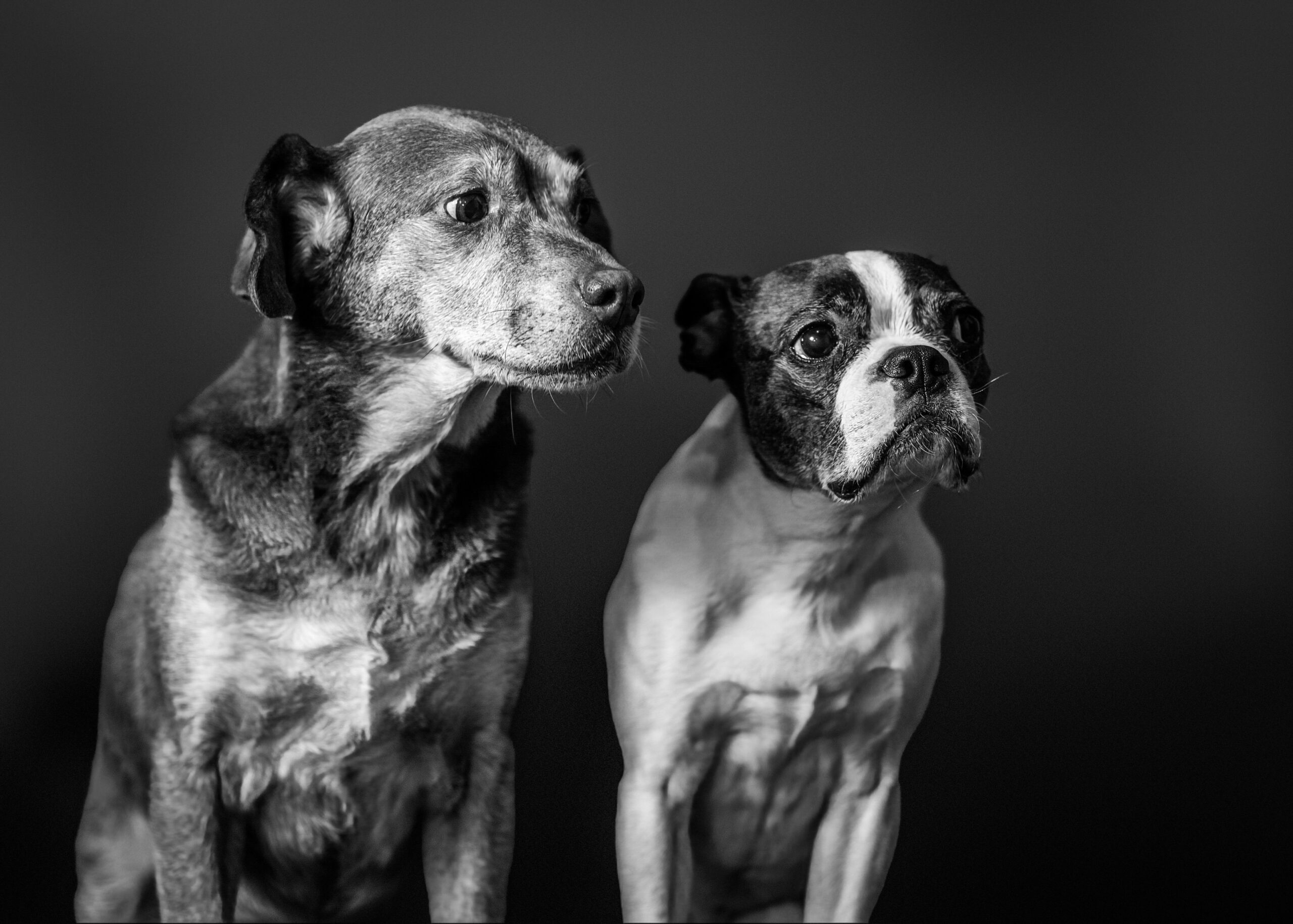
As dogs age, several physical changes naturally occur:
-
Muscle mass decreases
-
Joint cartilage thins
-
Ligaments lose elasticity
-
Recovery time increases
-
Balance may decline
Without consistent, appropriate movement, these changes accelerate. Muscles weaken faster. Joints stiffen more. Endurance drops quickly.
This can create a cycle:
Less movement → more stiffness → more discomfort → even less movement.
The goal is to gently interrupt that cycle.
Movement maintains:
-
Circulation
-
Muscle tone
-
Joint lubrication
-
Balance and coordination
-
Mental stimulation
It also supports confidence. Dogs who feel physically capable tend to stay emotionally brighter.
The Right Kind of Exercise for Senior Dogs
High-impact activity (like repetitive jumping or intense fetch) may not be ideal for older joints. But controlled, low-impact movement is incredibly beneficial.
Here’s what works best:
1. Leashed Walks (Shorter, More Frequent)
Instead of one long walk, try:
-
Two to three shorter walks daily
-
Moderate pace
-
Flat terrain whenever possible
Walking keeps joints moving through a natural range of motion and helps maintain muscle tone without strain.
Pay attention to:
-
Slowing pace
-
Hesitation on hills
-
Excessive panting
-
Stiffness afterward
Adjust duration based on recovery.
2. Controlled Strength Building
Yes — senior dogs still benefit from strength work.
Simple exercises include:
-
Slow sit-to-stand repetitions
-
Gentle incline walking
-
Cavaletti poles (low step-over obstacles)
-
Backing up slowly (great for rear-end strength)
These movements:
-
Support joint stability
-
Strengthen supportive muscles
-
Improve balance
Stronger muscles reduce strain on arthritic joints.
3. Swimming (If Available)
Swimming is ideal low-impact conditioning.
Benefits:
-
Zero joint compression
-
Full-body muscle engagement
-
Cardiovascular support
Always supervise and ensure safe entry/exit. Some seniors tire more quickly in water than expected.
 Supporting Joint Health
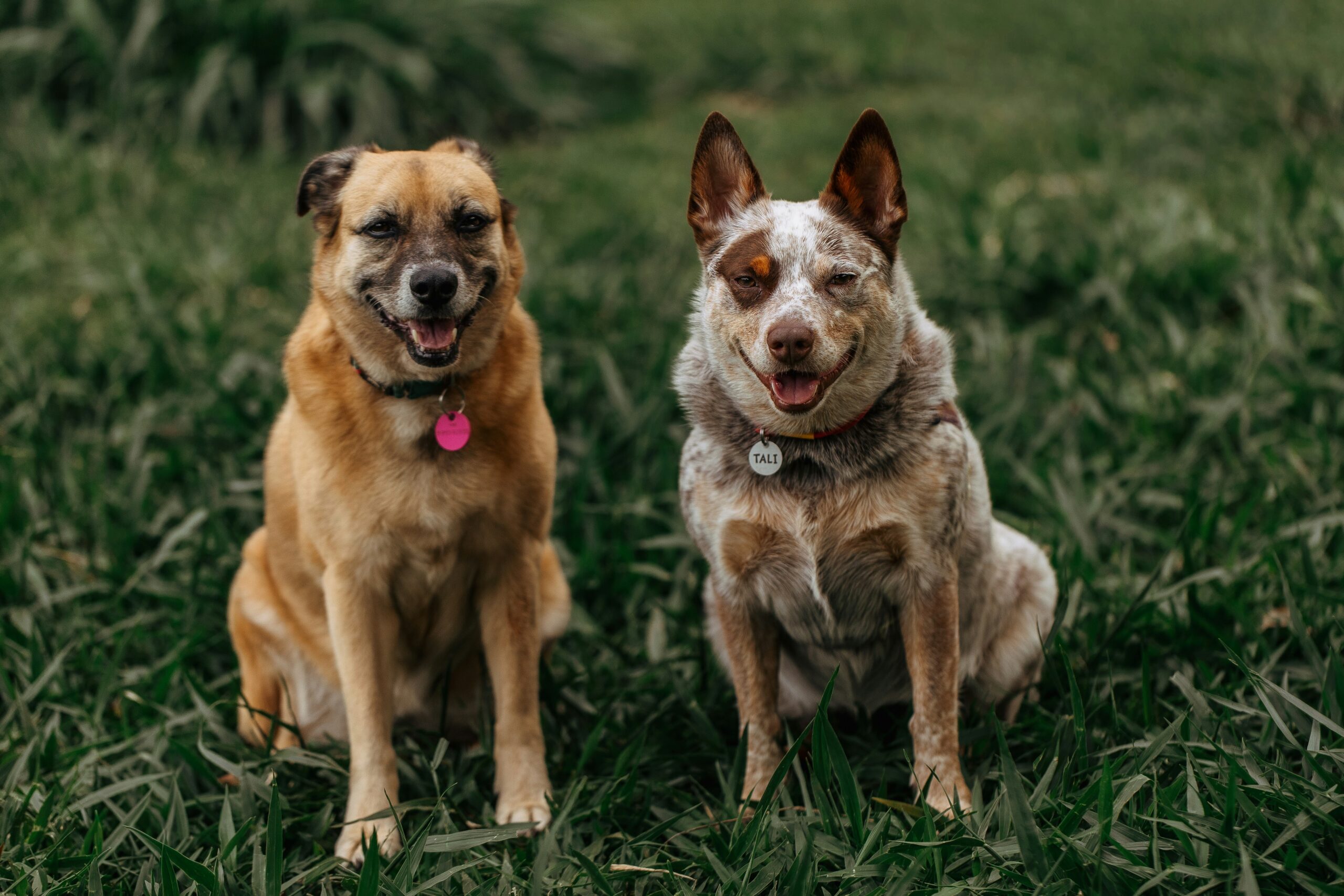
Mobility isn’t just about exercise. It’s about supporting the body holistically.
Joint Supplements
Many veterinarians recommend:
-
Glucosamine
-
Chondroitin
-
MSM
-
Omega-3 fatty acids
These can support cartilage health and reduce inflammation. Always consult your vet before starting supplements.
Weight Management
Extra weight is one of the biggest contributors to joint pain.
Every additional pound increases pressure on:
-
Hips
-
Knees
-
Elbows
-
Spine
Keeping a senior dog lean can dramatically improve mobility and comfort.
Environmental Adjustments
Sometimes mobility support means modifying the home.
Helpful changes include:
-
Non-slip rugs on hardwood floors
-
Ramps for couches or beds
-
Raised food and water bowls
-
Orthopedic dog beds
-
Blocking access to steep stairs
Small environmental changes can prevent strain and injury.
Recognizing Pain Signals
Dogs rarely cry out dramatically when in discomfort. Instead, pain often appears subtly.
Watch for:
-
Reluctance to jump or climb
-
Lagging behind on walks
-
Licking joints
-
Restlessness at night
-
Personality changes
-
Irritability when touched
Early intervention makes a major difference.
If you suspect arthritis or pain, your veterinarian may discuss:
-
Anti-inflammatory medications
-
Physical therapy
-
Laser therapy
-
Acupuncture
-
Injectable joint treatments
Pain management is not a luxury — it’s a quality-of-life necessity.
The Emotional Side of Mobility
Physical decline can affect emotional well-being.
Dogs who struggle to move comfortably may:
-
Withdraw socially
-
Seem less playful
-
Avoid interactions
-
Lose confidence
Supporting mobility preserves independence.
When your dog can still:
-
Walk beside you
-
Explore new scents
-
Follow you room to room
-
Participate in routines
They feel connected and capable.
Mobility equals dignity.
 Knowing When to Adjust
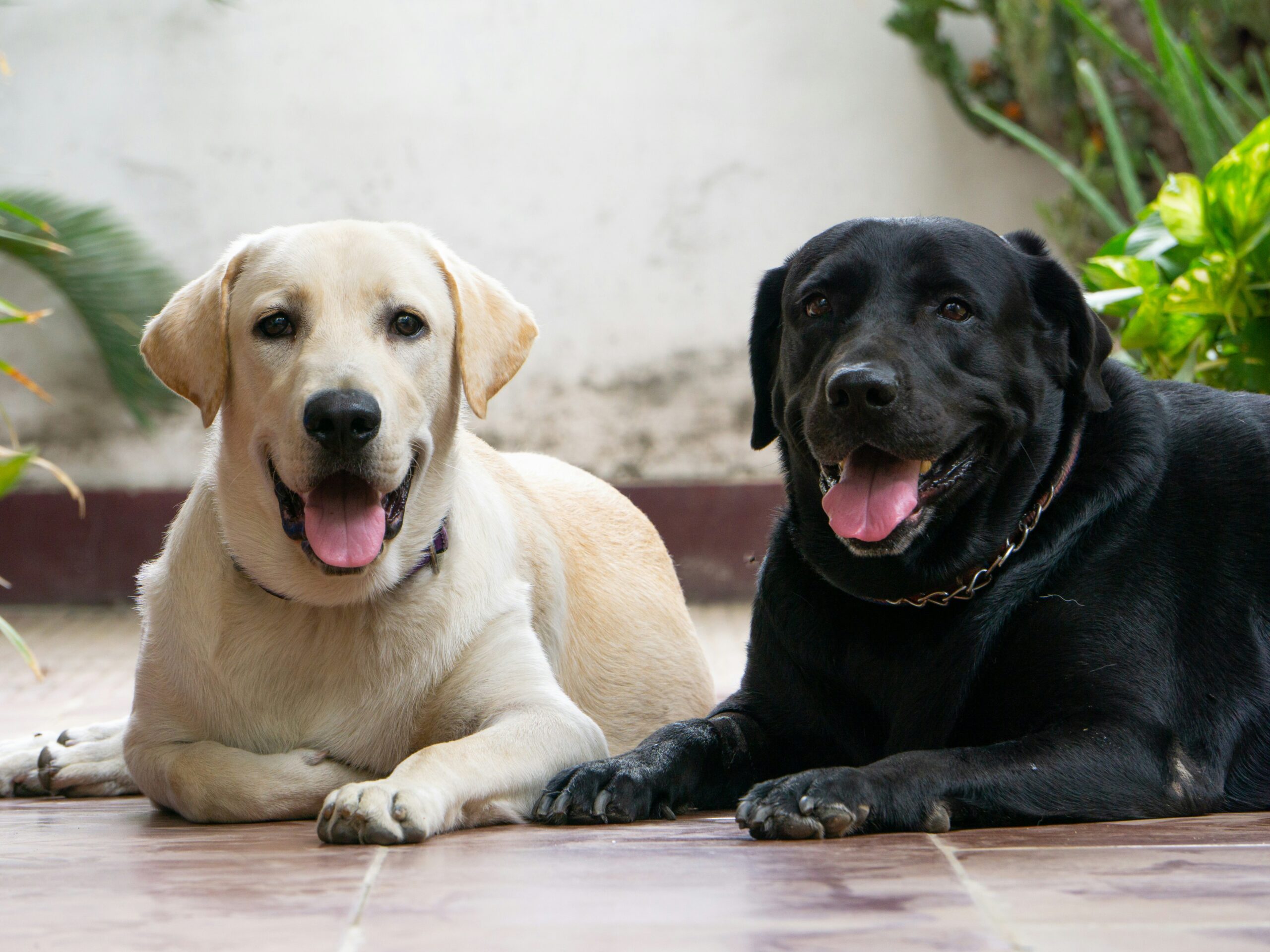
Even with support, there will be seasons of change.
You may need to:
-
Shorten walks further
-
Replace walks with enrichment games
-
Increase rest days
-
Add physical therapy sessions
The goal is always the same:
Maintain engagement without causing exhaustion.
After activity, monitor:
-
Stiffness the next day
-
Appetite changes
-
Sleep patterns
-
Mood shifts
If recovery takes longer than 24 hours, scale back.
Rest Is Part of Strength
While movement is crucial, so is recovery.
Senior dogs:
-
Need more sleep
-
May prefer quiet spaces
-
Benefit from consistent routines
Allow naps. Provide soft bedding. Protect them from chaotic environments when needed.
Rest rebuilds muscles and regulates inflammation.
Balance is everything.
Building a Sustainable Plan
The best mobility routine is one you can maintain consistently.
Instead of thinking:
“How can I make my senior dog exercise more?”
Think:
“How can I make gentle movement part of daily life?”
Examples:
-
Slow neighborhood strolls
-
Indoor treat searches
-
Light stretching before bed
-
Short play sessions on soft surfaces
Consistency matters more than intensity.
The Goal Isn’t Youth — It’s Comfort
You cannot reverse aging.
But you can:
-
Slow decline
-
Reduce discomfort
-
Preserve strength
-
Protect confidence
-
Extend quality of life
Senior dogs don’t need to perform.
They need to feel safe, capable, and included.
Mobility isn’t about athleticism.
It’s about maintaining connection — to their body, their people, and their world.
And with thoughtful support, many dogs stay happily mobile far longer than we expect.