
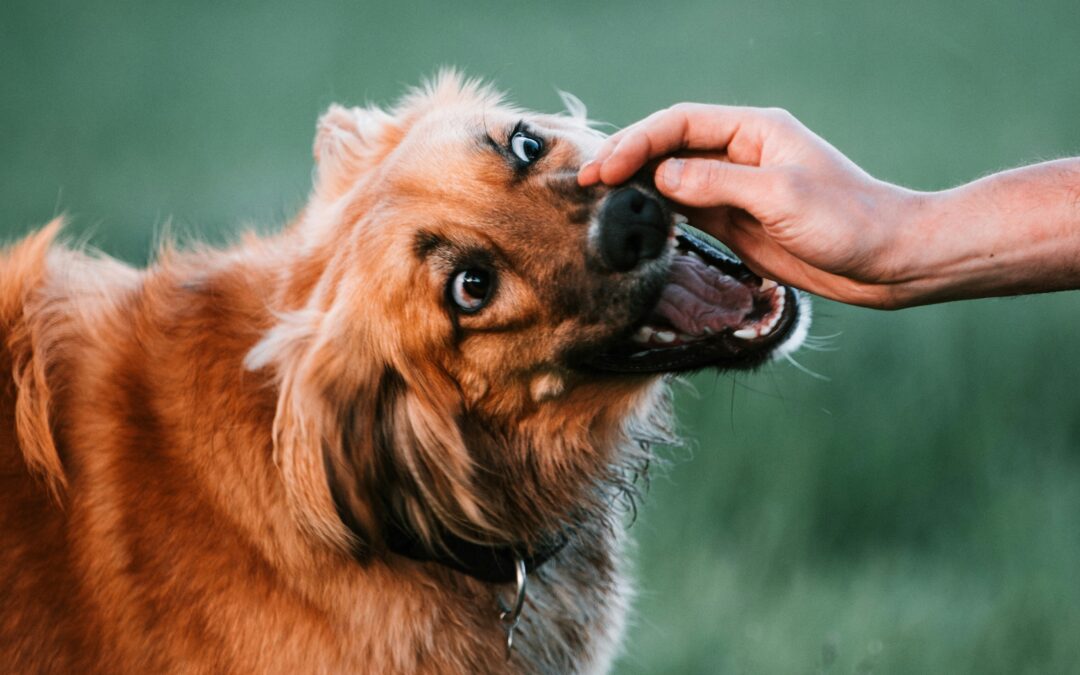
Trigger Stacking in Dogs: A Guide for NYC Dog Owners
 Why City Dogs Sometimes Reach Their Limit
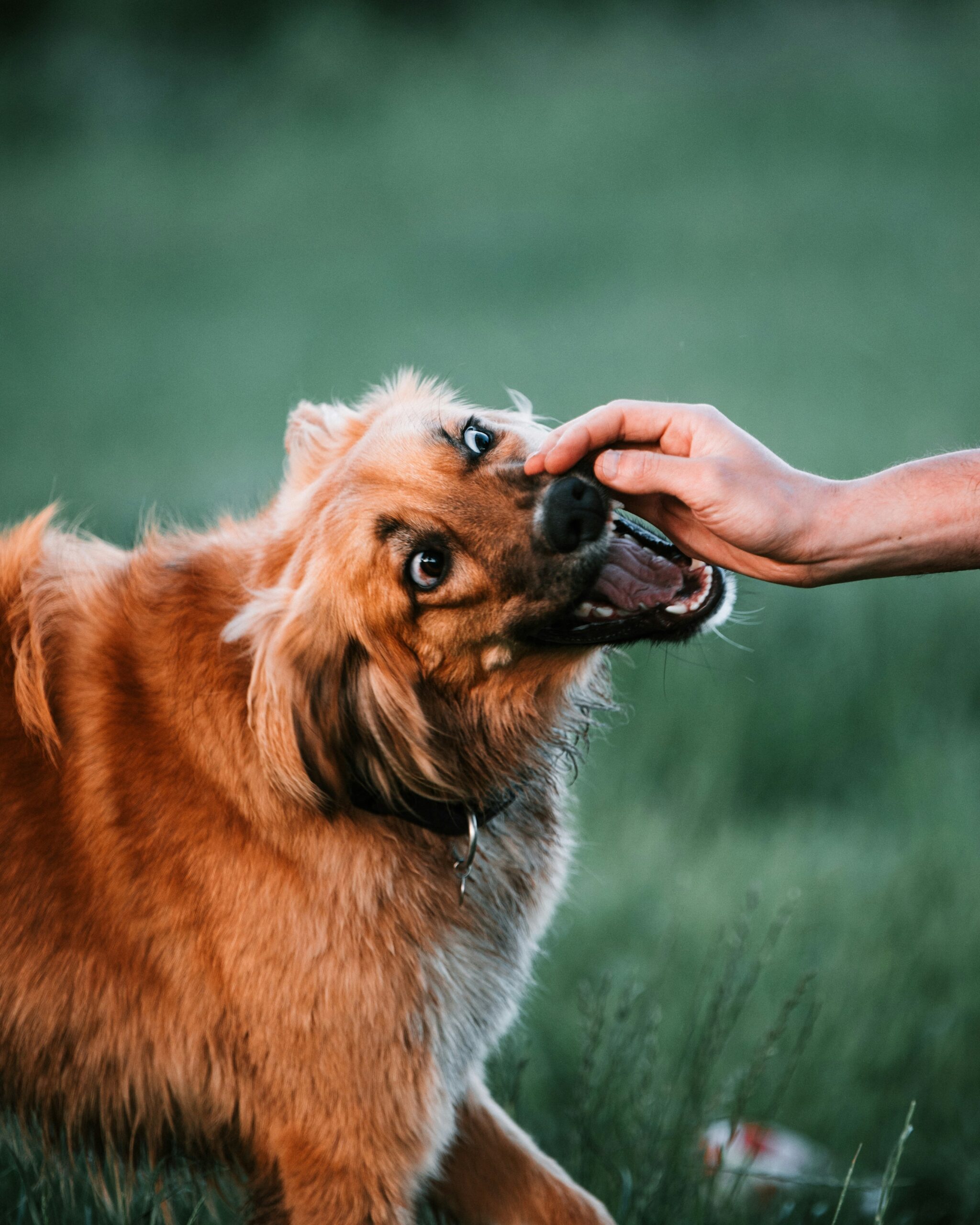
New York City can be an exciting environment for dogs, but it can also present a constant stream of stimulation.
Elevators, sirens, delivery carts, construction noise, unfamiliar dogs, and crowded sidewalks may all become part of a single walk.
Some dogs navigate these experiences comfortably.
Others may become increasingly stressed as challenging events accumulate.
If your dog suddenly begins barking, lunging, or refusing familiar commands after several busy encounters, trigger stacking may help explain the behavior.
Understanding trigger stacking in dogs is especially useful for NYC owners who want to improve obedience and manage reactivity in urban environments.
Key Takeaways
- Trigger stacking occurs when multiple challenging experiences accumulate.
- City environments may expose dogs to frequent triggers with limited recovery time.
- Early warning signs include stiffness, avoidance, panting, and difficulty disengaging.
- Environmental management can help reduce immediate stress.
- Gradual behavior training can improve responses to specific triggers.
- Persistent aggression or severe fear requires individualized professional guidance.
What Is Trigger Stacking in Dogs?
Understanding Accumulated Stress
Trigger stacking describes what happens when several stressful or highly arousing experiences occur before a dog has adequately recovered.
Consider a dog living in a busy apartment building.
The morning begins with construction noise.
An unfamiliar dog enters the elevator.
A delivery cart rattles past during the walk.
Later, another dog approaches on a narrow sidewalk.
The final encounter may produce a reaction that seems unusually intense.
However, the response may reflect the accumulated effect of earlier experiences.
The Stress Bucket Analogy
Imagine your dog’s ability to handle stress as a bucket.
Every challenging event adds water.
Recovery allows the level to decrease.
When the bucket becomes too full, your dog may struggle to cope with additional stimulation.
This is a simplified explanation of a complex behavioral process, but it provides a useful framework for recognizing cumulative stress.
Common Triggers for NYC Dogs
Urban environments can expose dogs to numerous potential triggers.
Examples include:
- Crowded sidewalks
- Unfamiliar dogs in elevators
- Construction and traffic noise
- Sirens and delivery vehicles
- Skateboards and bicycles
- Unexpected physical contact
- Busy apartment entrances
- Veterinary visits
- Changes in routine
- Fatigue or physical discomfort
Not every dog responds to these situations in the same way.
Some dogs are sensitive to noise, while others struggle primarily with unfamiliar animals or confined spaces.
How Trigger Stacking Changes Behavior
Stressful experiences activate physiological responses that affect arousal and attention.
When several challenging experiences occur close together, dogs may become less able to cope with additional stimulation.
This can explain why a dog who usually ignores a bicycle may react strongly after an unusually busy morning.
However, accumulated stress is only one possible explanation for sudden behavior changes.
Medical issues, frustration, and previous experiences may also contribute.
Recognizing Early Warning Signs
Subtle Body Language Changes
Watch for:
- Repeated lip licking
- Yawning
- Turning away
- Increased panting
- Pacing
- Stiff body posture
- Attempts to retreat
- Difficulty settling
These behaviors should be interpreted in context.
Signs Your Dog Is Becoming Overwhelmed
As arousal increases, a dog may become intensely focused on a trigger.
They may stop responding to their name or struggle to disengage.
Some dogs bark or lunge.
Others freeze or attempt to escape.
These changes suggest that increasing distance or leaving the situation may be appropriate.
Managing Trigger Stacking in NYC Apartments
Elevator Encounters
Elevators can create unavoidable close contact.
If your dog struggles with unfamiliar dogs, consider waiting for an empty elevator.
Avoid forcing greetings in confined spaces.
Apartment Hallways
Shared hallways can expose dogs to sudden sounds and unfamiliar people.
Practice calm exits and choose quieter periods when possible.
Creating a Quiet Resting Space
Provide a comfortable area away from excessive activity.
Allow your dog to rest without constant interruptions.
Managing Visitors
If your dog finds unfamiliar visitors stressful, establish a predictable arrival routine.
Use appropriate separation or management when necessary.
Preventing Trigger Stacking During NYC Walks
Choose Less Crowded Routes
Some dogs benefit from quieter side streets rather than heavily trafficked sidewalks.
Plan routes that allow you to maintain distance from other dogs.
Practice Direction Changes
Teach your dog to follow a comfortable U-turn cue.
This provides a useful way to leave unexpected encounters.
Avoid Forced Greetings
Not every dog needs to meet unfamiliar animals or people.
Respecting your dog’s need for space can reduce unnecessary pressure.
Allow Recovery Time
After a challenging outing, avoid immediately introducing additional stressful activities.
A quiet period at home may be more beneficial.
Training Techniques for Reactive City Dogs
Desensitization
Introduce a trigger at a level your dog can tolerate comfortably.
For example, begin by observing another dog from a considerable distance.
Counterconditioning
Pair manageable exposure with valued rewards.
This can help change emotional associations over time.
Attention and Engagement
Practice responding to a name, turning toward the handler, and moving away from distractions.
Build these skills in quiet environments first.
Reinforcing Calm Behavior
Reward relaxed responses and voluntary disengagement.
Avoid repeatedly exposing your dog to overwhelming situations.
Management Versus Training
Management helps prevent difficult situations immediately.
Training works toward changing emotional and behavioral responses over time.
For example, taking a quieter walking route is management.
Practicing controlled exposure to distant traffic while rewarding relaxed behavior is training.
Both are important for dogs who struggle with urban reactivity.
Common NYC Trigger Stacking Challenges
Limited Personal Space
Crowded sidewalks and elevators can make distance difficult.
Identify alternative routes and avoid unnecessary close encounters.
Unexpected Noise
Construction and sirens may appear without warning.
If your dog becomes distressed, move away when possible.
Inconsistent Behavior
A dog may react differently depending on earlier experiences.
Tracking daily events can help identify patterns.
Multiple Household Members
Ensure everyone follows consistent routines for walks, greetings, and recovery.
When to Seek Professional Help
If your dog frequently lunges, growls, freezes, or becomes difficult to manage, qualified professional guidance can help.
For serious aggression or sudden behavioral changes, veterinary evaluation is important.
Final Thoughts
Trigger stacking can make everyday NYC experiences more challenging for some dogs.
Recognizing early warning signs and reducing unnecessary exposure can help owners make better decisions.
Combined with structured training, these strategies can support improved behavior and communication.
For help with reactive dog training and obedience in New York City, contact Off Leash K9 Training.
Phone: 646-741-0202
Email: nyc@offleashk9training.com
Frequently Asked Questions
What is trigger stacking in dogs?
Trigger stacking is the accumulation of several stressful or highly stimulating experiences before adequate recovery.
Can apartment living contribute to trigger stacking?
Shared spaces, noise, and frequent close encounters may increase exposure to triggers for some dogs.
Why does my dog suddenly react to another dog?
Accumulated stress, discomfort, frustration, or other factors may contribute to an unexpected reaction.
How can I reduce trigger stacking in NYC?
Choose manageable routes, avoid forced greetings, provide rest, and practice appropriate behavior training.
Can professional dog training help with city reactivity?
Yes. Individualized training can help owners manage triggers and develop more reliable behavior in urban environments.