
Dog Ear Body Language: What NYC Owners Need to Know
 Understanding Your Dog’s Silent Communication
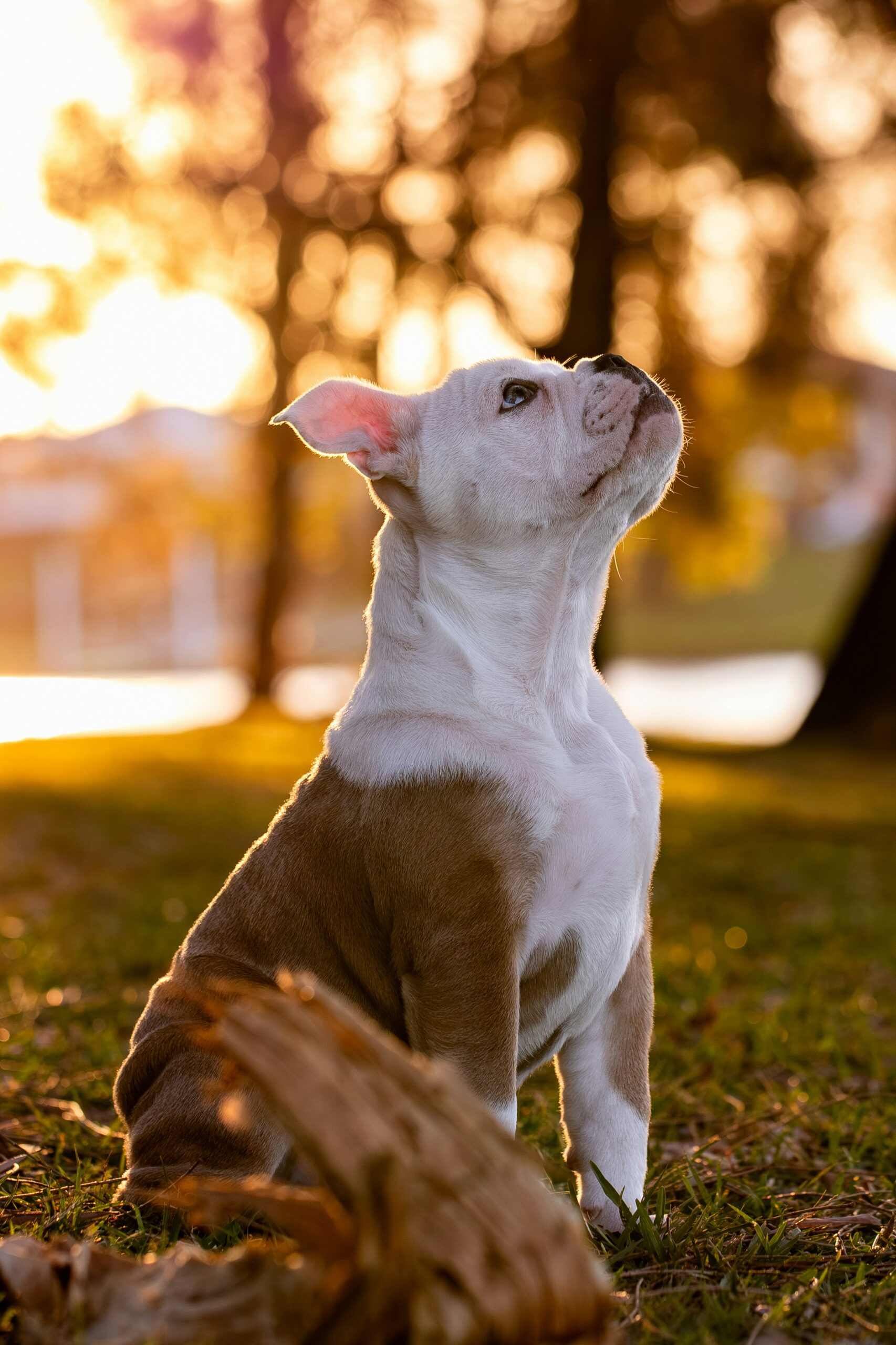
New York City dogs experience a constant stream of sounds, movement, and social interactions.
From elevators and crowded sidewalks to construction noise and unfamiliar dogs, city environments can demand a great deal of attention.
One of the ways dogs respond to these experiences is through changes in ear position.
Understanding dog ear body language can help NYC owners recognize when their dogs are alert, comfortable, distracted, or potentially overwhelmed.
However, ear position alone cannot determine a dog’s emotional state.
Learning to interpret ears alongside the rest of the body is essential.
Key Takeaways
- Dog ear movements help locate sounds and respond to the environment.
- Forward ears often indicate attention or curiosity.
- Relaxed ears reflect the dog’s normal resting position.
- Ears pulled backward may occur during friendly excitement or discomfort.
- Ear shape varies by breed, affecting how signals appear.
- Ear position should be interpreted alongside body tension, facial expression, and tail movement.
Why Dogs Communicate Through Their Ears
Ear Movement and Environmental Awareness
Dogs use specialized ear muscles to rotate and reposition their ears.
These movements help identify sounds and monitor activity.
For an NYC dog, that might mean listening to footsteps behind an apartment door or noticing a bicycle approaching from the street.
Some ear movements are primarily responses to sound.
Others may accompany changes in emotional state.
Why Understanding Ear Signals Matters in the City
Urban environments often create close encounters.
A dog may suddenly find itself sharing an elevator with an unfamiliar animal or navigating a narrow sidewalk.
Recognizing changes in attention and body tension can help owners decide when to create distance or adjust an interaction.
Common Dog Ear Positions
Forward Ears
Forward-facing ears often indicate that a dog is paying attention.
A dog may display this position when hearing a new sound, watching another dog, or anticipating a reward.
Forward ears with relaxed movement may suggest curiosity.
Forward ears with a rigid body and fixed stare may accompany heightened tension.
Neutral Ears
Neutral ears rest in their natural position without obvious tension.
For upright-eared breeds, this may mean ears standing naturally.
For floppy-eared breeds, the ears may hang alongside the head.
Learning your dog’s normal position helps identify changes.
Ears Pulled Back
Dogs may pull their ears backward during uncertainty, fear, or friendly greetings.
A dog greeting a familiar person with a loose body may display ears back.
A dog with flattened ears, lowered posture, and a tucked tail may be frightened.
Sideways Ears
Ears held outward may appear during social interactions or when a dog is processing unfamiliar information.
Sometimes called airplane ears, this position has no single fixed meaning.
Swiveling Ears
Dogs frequently rotate their ears to locate sounds.
In NYC, a dog might track traffic with one ear while monitoring footsteps behind them.
This is often a normal response to a busy environment.
Reading Ear Positions With Other Body Language
Tail Signals
A loose, sweeping tail wag may accompany excitement.
A stiff tail and rigid posture may indicate tension.
A tucked tail may suggest fear.
Tail wagging alone does not guarantee friendliness.
Eyes and Facial Expressions
Soft eyes and relaxed facial muscles generally suggest comfort.
A fixed stare, tight mouth, or visible eye whites may accompany discomfort.
Body Posture
A dog moving comfortably and freely is different from one standing rigidly.
Sudden freezing, intense staring, and attempts to retreat deserve attention.
Understanding Breed Differences
Not all dogs display ear movements in the same way.
German Shepherds and other upright-eared breeds may show obvious directional changes.
Beagles and Golden Retrievers may show more subtle movement near the ear base.
Owners should observe their individual dog’s normal ear position.
Recognizing Ear Signals in Common NYC Situations
Elevators and Apartment Hallways
Confined spaces can make social encounters difficult.
If your dog becomes rigid, pulls its ears backward, or attempts to retreat when another dog approaches, avoid forcing a greeting.
Waiting for another elevator or creating additional space may help.
Busy Sidewalks
A dog may suddenly direct its ears toward a cyclist, delivery cart, or another animal.
If your dog remains relaxed, this may simply reflect attention.
If the dog becomes stiff or intensely focused, increasing distance may be appropriate.
Parks and Outdoor Spaces
During a walk near Central Park, your dog may encounter unfamiliar people and dogs.
Observe changes in ear position alongside overall body language.
Not every dog needs to greet every animal it passes.
Using Ear Body Language During NYC Dog Training
Recognizing Distractions Early
Changes in ear direction can indicate that your dog has noticed something.
Use this information to adjust training before the distraction becomes more challenging.
Practicing Obedience Around Activity
Begin with familiar exercises in quiet environments.
Gradually introduce distractions while rewarding appropriate responses.
Responding to Possible Stress
If your dog displays repeated signs of discomfort, reduce the difficulty or create distance.
Training should progress at a manageable pace.
Common Mistakes NYC Dog Owners Should Avoid
Assuming Ears Forward Mean Aggression
Forward ears indicate attention, not necessarily aggressive intent.
Forcing Interactions Despite Discomfort
If your dog freezes, retreats, or becomes rigid, avoid insisting on a greeting.
Ignoring Breed Differences
Ear anatomy affects how movement appears.
Overlooking Medical Causes
A dog suddenly holding one ear differently or repeatedly shaking its head may need veterinary attention.
Building Better Communication in Everyday Life
Observe your dog’s ears during relaxed moments at home.
Notice what changes during walks, greetings, and training.
Compare ear position with tail movement, posture, and facial expressions.
Over time, recognizing these patterns can help you make better decisions during everyday interactions.
Professional Dog Training in New York City
Off Leash K9 Training NYC helps owners develop stronger obedience skills and improve communication in everyday environments.
Whether you’re working on leash manners, distractions, or challenging behaviors, understanding your dog’s body language is a valuable foundation.
Contact Off Leash K9 Training NYC
Phone: 646-741-0202
Email: nyc@offleashk9training.com
Frequently Asked Questions
What does it mean when my dog’s ears move forward?
Forward ears often indicate attention or curiosity, although accompanying body tension may suggest heightened arousal.
Why does my dog put its ears back in the elevator?
Backward ears may reflect uncertainty or discomfort, but the complete body language and circumstances matter.
Do floppy-eared dogs communicate through their ears?
Yes. Movement may be subtle and most noticeable near the base.
Can ear position help identify stress?
It can provide clues when combined with avoidance, freezing, tension, or other behavioral changes.
Can dog training improve behavior around NYC distractions?
Yes. Structured training can help owners develop attention, obedience, and more reliable responses in challenging environments.