
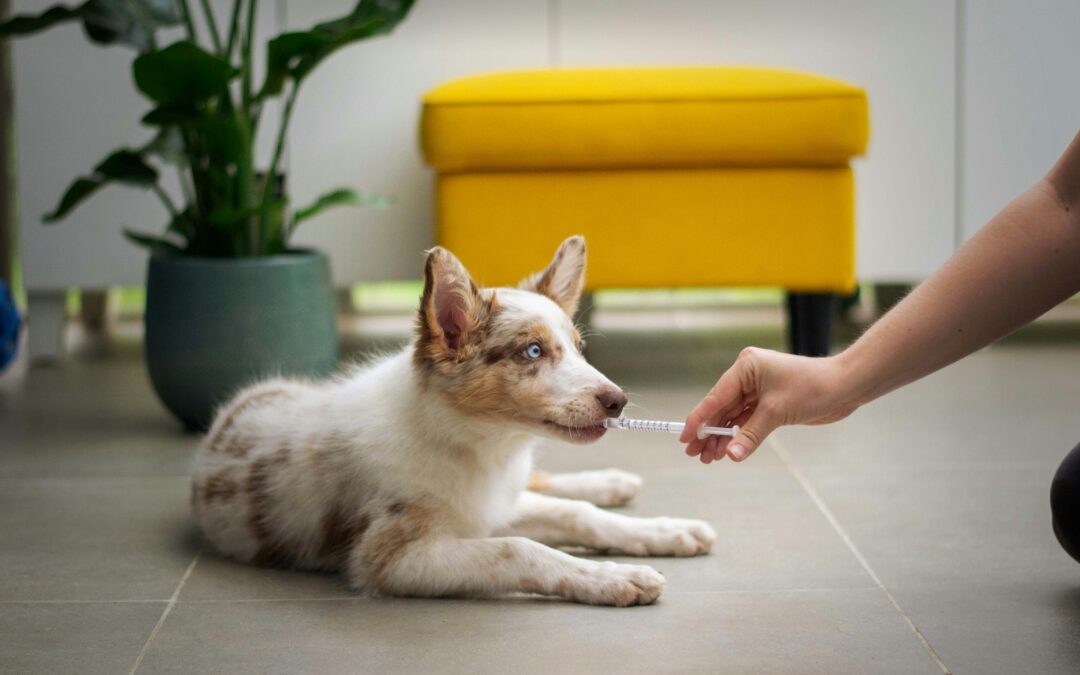
NYC Dog Handling: Build Trust Before the Vet
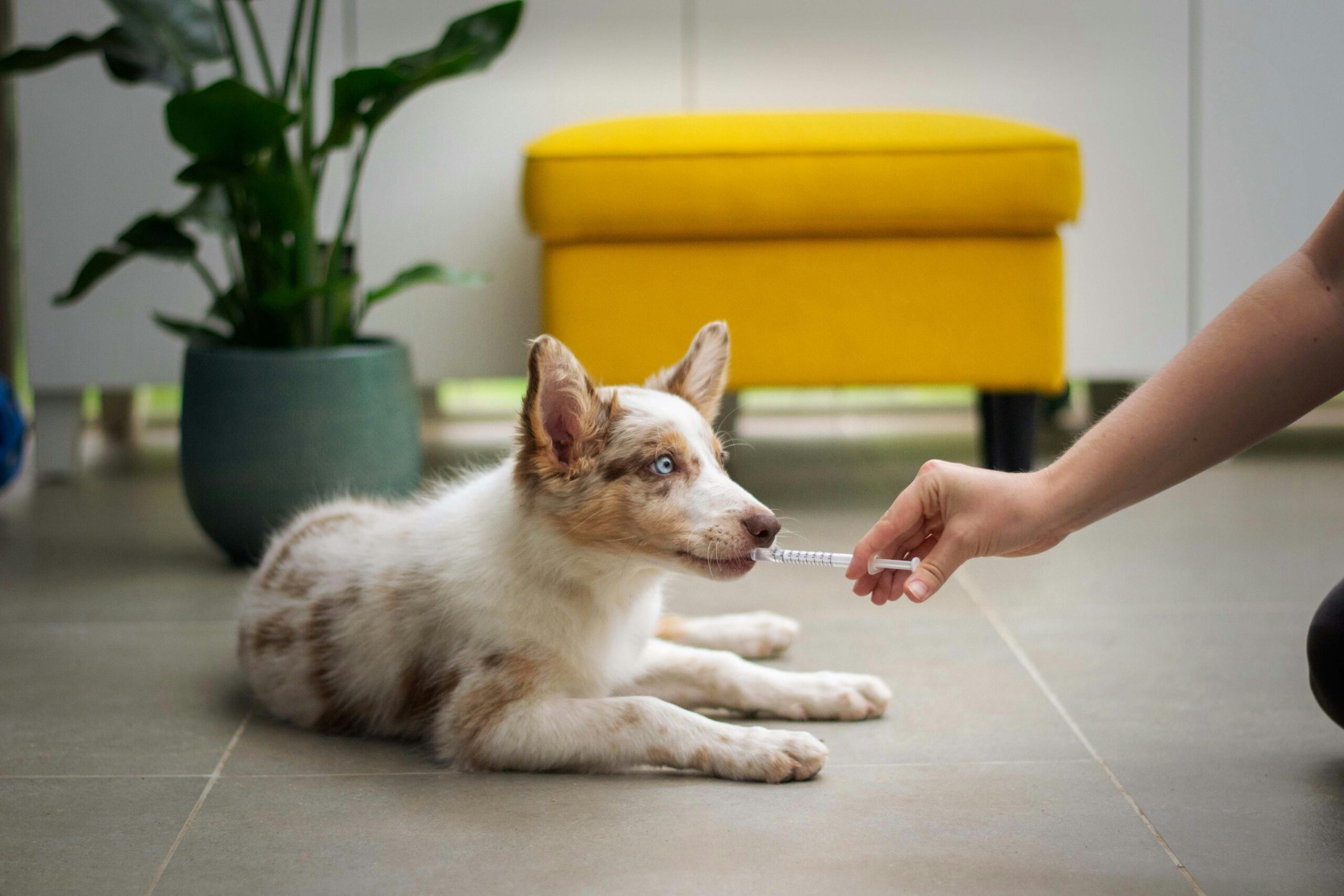
Teaching Your City Dog That Handling Can Be Safe
Living with a dog in New York City often means navigating busy sidewalks, apartment elevators, grooming appointments, and veterinary visits.
For a dog who dislikes being touched or restrained, these experiences can become overwhelming.
Maybe your dog pulls away when you wipe their paws after a walk.
Perhaps they hide when the brush appears or become nervous when a veterinarian approaches.
Cooperative care training can help.
This approach teaches dogs to participate voluntarily in handling and grooming while giving owners a structured way to recognize discomfort.
Many of the exercises can be practiced inside an apartment, making cooperative care particularly accessible for NYC owners.
What Makes Cooperative Care Different?
Traditional handling sometimes focuses on completing the task regardless of how the dog feels.
Cooperative care emphasizes communication and gradual participation.
Dogs learn behaviors such as standing on a mat, presenting a paw, or resting their chin on a hand.
These behaviors become signals that the dog is ready for a brief interaction.
If the dog moves away, the handler pauses during training.
This can help reduce conflict and make care more predictable.
Why City Dogs Need Handling Skills
NYC dogs may require frequent paw cleaning after walks, brushing to maintain coat condition, and routine veterinary examinations.
Apartment living can also involve limited space and unavoidable environmental distractions.
Teaching cooperative handling skills at home allows dogs to practice in a familiar environment before facing more challenging situations.
The goal is to develop comfort gradually, not force the dog to tolerate everything immediately.
Start With a Calm Training Space
Choose a quiet part of your apartment.
Avoid practicing when your dog is already overstimulated by visitors, traffic sounds, or another stressful event.
Gather small treats and a comfortable mat.
Begin with a simple exercise your dog can perform successfully.
A session might last only one or two minutes.
Short, positive repetitions are more useful than prolonged handling that causes distress.
Exercise One: Voluntary Paw Handling
Paw cleaning is a common necessity for city dogs.
Begin by touching your dog’s shoulder briefly.
Reward.
Gradually move your hand down the leg.
Next, touch the paw for a moment.
Reward again.
Once your dog is comfortable, introduce a soft towel.
Practice touching the towel to the paw before attempting a full wipe.
If your dog pulls away, pause and simplify the exercise.
This can help make post-walk cleaning more manageable.
Exercise Two: The Chin-Rest Signal
A chin rest gives your dog a way to indicate readiness during handling.
How to Teach It
- Offer your open palm near your dog’s chin.
- Reward voluntary contact.
- Gradually shape the dog placing its chin on your hand.
- Build the duration slowly.
- Add a gentle touch to the shoulder.
- Pause whenever the chin lifts.
Over time, this behavior can support brushing, ear checks, and other handling tasks.
Don’t physically hold your dog’s chin in place.
The value comes from voluntary participation.
Exercise Three: Calm Brushing
Introduce the brush without using it.
Reward your dog for calmly looking at or approaching it.
Next, briefly touch the brush to the coat.
Reward and stop.
Gradually introduce one gentle stroke.
Continue building only when your dog remains comfortable.
If the coat is badly matted, consult a professional groomer rather than pulling through painful tangles.
Exercise Four: Preparing for Nail Trims
Many dogs dislike nail trimming because of paw sensitivity, unfamiliar tools, or previous discomfort.
Begin by introducing the nail clippers from a distance.
Reward your dog for calmly noticing them.
Gradually practice holding the tool closer.
Next, work on comfortable paw and toe handling.
Finally, practice bringing the closed clippers near a nail.
Actual trimming should occur only when the dog is comfortable and the handler understands safe technique.
Some dogs may benefit from professional grooming or veterinary assistance.
Exercise Five: Getting Comfortable With Mouth Checks
Dental care is an important part of canine health.
Start by rewarding a brief touch near your dog’s muzzle.
Then gently lift the lip for a moment.
Reward and stop.
Gradually introduce a dog-safe toothbrush and veterinary-approved toothpaste.
Avoid forcing the mouth open during practice.
If your dog shows signs of dental pain, consult your veterinarian before continuing.
Preparing for the Veterinary Clinic
The veterinary clinic introduces unfamiliar sights, sounds, smells, and handling.
For a dog who already finds NYC overwhelming, these additional experiences can increase stress.
Ask your clinic whether it offers nonmedical happy visits.
During an early visit, your dog might simply approach the entrance, receive treats, and leave.
Later visits may include entering the lobby or stepping onto a scale.
Always arrange these sessions with the clinic beforehand.
Managing the Trip to the Vet
Consider the entire experience, not just the examination.
A stressful car ride, noisy sidewalk, or crowded waiting room may make the appointment harder.
Plan enough time to avoid rushing.
Ask about quiet waiting options.
Bring appropriate rewards and a familiar mat if permitted.
If your dog has significant fear, discuss a veterinary behavior plan before the appointment.
Cooperative Care for Puppies
Puppies can begin learning that gentle handling predicts positive experiences.
Practice brief paw touches, ear checks, and mouth handling during calm moments.
Pair these interactions with rewards.
Keep sessions age-appropriate and avoid overwhelming your puppy.
Early positive experiences may make future grooming and veterinary routines easier.
What About Adult or Fearful Dogs?
Adult dogs can learn cooperative care too.
However, dogs with negative handling experiences may require a slower approach.
Begin with very small steps.
For some dogs, simply remaining comfortable while a grooming tool is visible is meaningful progress.
Severe fear, snapping, or biting requires professional guidance.
When to Use a Muzzle
A properly fitted basket muzzle can help protect dogs and caregivers when bite risks exist.
Introduce it gradually with rewards.
Teach voluntary nose entry before fastening straps.
The muzzle must allow adequate panting.
Seek professional assistance for fitting and conditioning when needed.
A muzzle is a safety tool, not a substitute for addressing underlying fear.
Why Your Dog May Refuse to Participate
A dog who leaves the mat or stops offering a chin rest may be uncomfortable.
They may also be tired, distracted, or physically sore.
Respect the pause.
Return to an easier step.
If handling suddenly becomes difficult, consult your veterinarian to rule out pain.
When Training Must Wait
Cooperative care is designed for gradual learning.
It cannot replace urgent veterinary treatment.
If your dog needs immediate medical attention, follow veterinary guidance regarding safe handling, medication, or sedation.
Professional Dog Training in NYC
Off Leash K9 Training NYC helps owners develop practical obedience and communication skills.
Cooperative handling exercises can complement that work by making everyday care more predictable.
Phone: 646-741-0202
Email: nyc@offleashk9training.com
Frequently Asked Questions
Can I teach cooperative care in a small apartment?
Yes. Most foundational exercises require very little space.
Can this help with wiping my dog’s paws?
Yes. Gradual paw handling and towel introduction can make cleaning more comfortable.
Should I practice before every vet appointment?
Regular short practice sessions can help maintain familiarity with handling behaviors.
What if my dog refuses a chin rest?
Return to rewarding smaller movements, such as looking toward or touching the target.
Can cooperative care replace sedation?
Not always. Veterinarians may recommend medication or sedation when necessary for safety and medical care.