
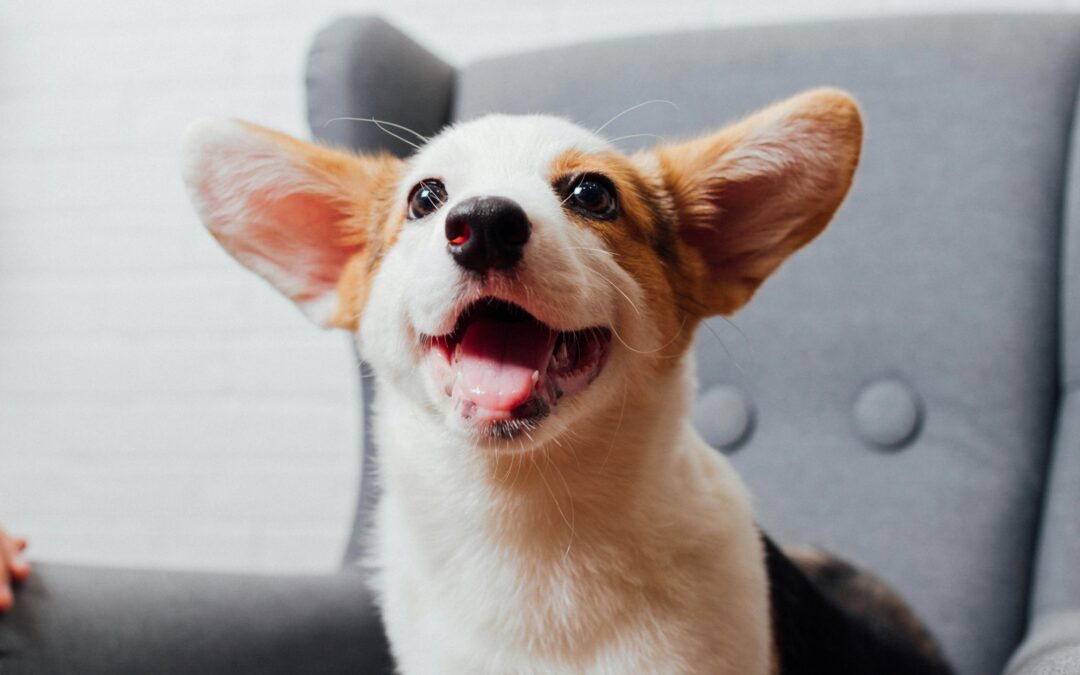
Why NYC Puppies Suddenly Stop Listening

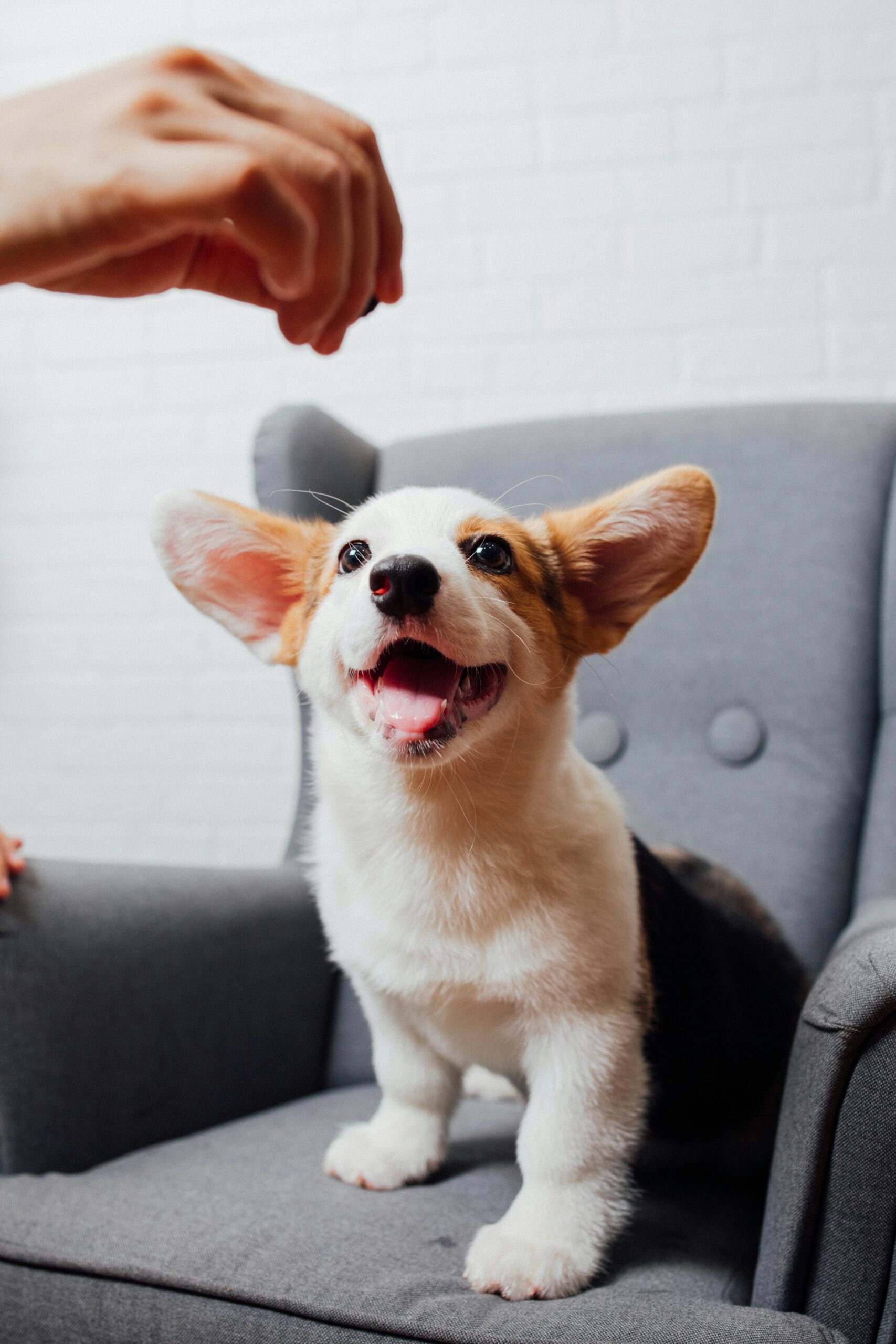
When Your City Puppy Starts Ignoring Everything
Your puppy used to respond when you called their name.
They waited patiently at the apartment door, walked comfortably on leash, and understood their bathroom routine.
Now they’re pulling toward delivery carts, barking at unfamiliar dogs, and becoming distracted every time the elevator opens.
For New York City owners, puppy training regression can feel especially challenging because the environment offers constant stimulation.
But a puppy who suddenly becomes less reliable isn’t necessarily forgetting everything they’ve learned.
Adolescence, environmental changes, incomplete generalization, and inconsistent practice can all affect behavior.
Key Takeaways
- Puppy regression commonly appears during adolescence.
- NYC environments can make previously learned skills harder to perform.
- Apartment house-training setbacks require consistent routines and possible medical evaluation.
- Recall and leash manners should be practiced in controlled settings.
- Management helps prevent unwanted behavior.
- Gradual progression is more effective than overwhelming a puppy with distractions.
Why Puppies Regress During Adolescence
Many dogs enter adolescence around six months old, although the timing varies.
During this stage, puppies often become more curious and interested in the environment.
A dog who previously focused on their owner may become fascinated by other dogs, traffic, and unfamiliar smells.
Impulse control and emotional regulation continue developing as dogs mature.
Larger breeds may remain behaviorally immature for longer than smaller breeds.
These changes can make training less consistent, particularly in stimulating environments.
Why NYC Makes Regression More Noticeable
City puppies encounter challenges that aren’t always present in quieter environments.
A single outing might involve an elevator, crowded lobby, traffic, delivery vehicles, cyclists, and unfamiliar dogs.
Even if your puppy understands a command at home, responding during these experiences requires additional practice.
This is called generalization: learning to perform a skill across different environments.
A puppy who sits reliably in the kitchen may not yet understand how to respond equally well on a crowded sidewalk.
Common NYC Puppy Training Setbacks
Potty Accidents in Apartments
Apartment house-training can involve additional timing challenges.
Your puppy may need to wait for an elevator or travel through a building before reaching an appropriate outdoor area.
If accidents return, begin by considering possible medical causes.
Then reestablish frequent bathroom opportunities and reward outdoor elimination immediately.
Supervise indoors and adjust the schedule before accidents occur.
Never punish a puppy for an accident.
Pulling Toward People and Dogs
Puppies may become increasingly interested in social interactions during adolescence.
Some begin pulling toward every dog they see.
Practice loose-leash walking on quiet streets before introducing busy sidewalks.
Reward walking near you and calmly noticing distractions.
Avoid allowing pulling to become the routine way your puppy reaches something exciting.
Ignoring Recall
Recall can become difficult when a puppy is surrounded by competing rewards.
Practice indoors and in secure areas.
Use valuable rewards and an appropriately managed long line when suitable.
Never rely on unproven off-leash recall around city traffic.
Barking at Apartment Noises
Hallway footsteps, doors, and elevator sounds may become more noticeable as puppies mature.
If your puppy begins barking at these sounds, consider whether fear, excitement, or alertness is involved.
Manage excessive exposure and reward calm behavior at a comfortable intensity.
How to Rebuild Obedience in Five Steps
1. Return to Easy Training
Practice familiar commands in your apartment.
Focus on successful responses rather than difficult challenges.
2. Reinforce Attention
Reward your puppy for voluntarily checking in with you.
This can become especially useful during walks.
3. Practice Calm Exits
Ask for manageable behaviors before leaving the apartment.
Avoid creating a routine where your puppy rushes through doors in excitement.
4. Introduce Distractions Gradually
Start with a quiet hallway or side street.
Move toward busier environments only when your puppy can remain engaged.
5. Use Consistent Management
Gates, supervision, appropriate crate training, and safe leash control can help prevent unwanted habits.
Training Around NYC Landmarks and Neighborhoods
Not every training session needs to happen in a crowded park.
Begin with a familiar indoor space.
Then practice during quieter sidewalk periods.
Eventually, you might introduce controlled distractions near Central Park or another suitable outdoor area.
Maintain distance from unfamiliar dogs and follow local leash rules.
Choose conditions where your puppy can succeed.
How Stress Can Affect Puppy Behavior
A puppy may struggle more after several challenging experiences.
Construction noise, an unfamiliar visitor, and a crowded walk may collectively increase arousal.
This is sometimes called trigger stacking.
If your puppy seems overwhelmed, allow quiet recovery time and simplify training.
When Is Regression More Than a Training Issue?
Sudden changes in elimination, appetite, energy, or behavior may indicate a medical concern.
Contact your veterinarian when these symptoms occur.
Persistent fear, aggression, or severe distress also deserves professional assessment.
Measuring Progress Realistically
Rather than expecting perfect obedience immediately, watch for gradual improvements.
Your puppy may begin responding faster, pulling less frequently, or remaining calmer around familiar distractions.
Training progress often includes occasional setbacks.
Consistency matters more than perfection.
Professional NYC Puppy Training
Off Leash K9 Training NYC helps owners work toward stronger obedience, better leash manners, and improved communication.
A structured training plan can help make everyday city routines more manageable.
Phone: 646-741-0202
Email: nyc@offleashk9training.com
Frequently Asked Questions
Why does my puppy behave better inside than outside?
Outdoor environments contain additional distractions, and your puppy may need more practice generalizing commands.
Can city noise cause training setbacks?
Noise and overstimulation can affect attention and behavior, particularly in sensitive puppies.
How do I handle potty-training regression in an apartment?
Reestablish frequent bathroom breaks, reward outdoor elimination, supervise indoors, and consult a veterinarian for sudden changes.
Should I let my adolescent puppy off leash in NYC?
Only in legally permitted, secure settings when recall is reliable. Never depend on unproven recall near traffic.
Can a trainer help my puppy adjust to NYC?
Yes. Individualized training can help build attention, leash skills, and more reliable responses around urban distractions.