Training a City Dog: How Long Until Commands Stick?
Why Training in NYC Can Feel Like a Bigger Challenge
Training a dog in New York City comes with a unique set of distractions.
Your dog might understand every command inside your apartment but become completely distracted by the time you reach the sidewalk.
Elevators, delivery workers, sirens, cyclists, unfamiliar dogs, and crowded intersections can all compete for attention.
So how long does it take to train a dog to handle city life?
The answer depends on the skills you’re teaching, your dog’s experience, and how consistently you practice.
Some behaviors can be introduced in a few sessions. Reliable obedience around busy city distractions may take months or longer.
Key Takeaways
- Basic commands can be learned before they’re reliable in public.
- City distractions make generalization especially important.
- Apartment manners and outdoor obedience require different practice.
- Puppy adolescence can temporarily affect responsiveness.
- Board-and-train programs and private lessons serve different needs.
- Training continues after formal instruction ends.
What Does a Well-Trained NYC Dog Need to Know?
For many city owners, practical obedience is more important than complicated tricks.
Useful skills include:
- Walking comfortably on leash
- Waiting calmly at apartment doors
- Responding to a name
- Following sit, down, and stay cues
- Remaining manageable around unfamiliar dogs
- Settling when visitors arrive
- Moving away from distractions when asked
Some dogs also benefit from more advanced obedience.
However, not every dog needs the same skills or level of training.
The First Stage: Learning Basic Commands
The foundation stage introduces simple behaviors in a quiet environment.
A puppy or adult dog may begin learning sit, down, and attention cues during the first several sessions.
But early success doesn’t mean the behavior is fully reliable.
For example, your dog might sit immediately in your kitchen but struggle in the apartment lobby.
That’s normal.
The dog needs practice applying the behavior in different settings.
The Second Stage: Practicing Around Distractions
This stage is particularly important for NYC dogs.
Once your dog understands a command at home, begin practicing in slightly more challenging environments.
A useful progression might include:
- A quiet room in your apartment
- A familiar hallway
- A calm building entrance
- A low-traffic sidewalk
- A busier outdoor area at a comfortable distance from distractions
Move forward when your dog is succeeding.
If attention disappears, reduce the difficulty.
Developing reliable behavior across these environments often requires consistent practice over several months.
The Third Stage: Advanced Obedience
Advanced skills may include longer stays, reliable responses at a distance, and improved focus around challenging distractions.
These skills require more preparation than basic commands.
Off-leash reliability can take many months or longer and should never be assumed simply because a dog responds well indoors.
Follow local leash rules and use secure, appropriate training environments.
How Long Does Puppy Training Take in NYC?
Puppies can begin learning from an early age.
Initial goals often include house-training, crate comfort, handling, name recognition, and basic obedience.
Because young puppies have short attention spans, several brief sessions are often more productive than lengthy practice.
Adolescence may introduce additional challenges.
A puppy who previously walked calmly might suddenly become fascinated by every passing dog.
Continue reinforcing foundational skills throughout development.
Apartment Training Has Its Own Timeline
City dogs often need to learn behaviors that aren’t emphasized in suburban settings.
Elevator Manners
Practice waiting calmly and responding to attention cues.
Avoid forced greetings in confined spaces.
Hallway Behavior
Reward manageable behavior around footsteps, doors, and unfamiliar people.
Settling at Home
Teach your dog to relax in an appropriate resting area.
Bathroom Routines
Apartment puppies may need additional planning because reaching an outdoor bathroom area can take time.
Each of these skills develops through repetition and consistency.
Board and Train Versus Private Lessons in NYC
Board-and-Train Programs
These programs provide concentrated professional instruction.
Dogs may develop foundational skills during a shorter, structured training period.
However, owners must learn to maintain those skills afterward.
Private Lessons
Private lessons allow owners to practice handling and communication directly.
They can be useful for challenges involving everyday routines and owner-specific goals.
Choosing a Format
The best option depends on your schedule, dog’s behavior, and the skills you want to develop.
Program completion doesn’t automatically guarantee permanent reliability.
How Much Daily Practice Is Necessary?
Training doesn’t have to involve an hour of uninterrupted drills.
Short, focused sessions can fit naturally into city life.
Practice attention before leaving your apartment.
Reward calm waiting near doors.
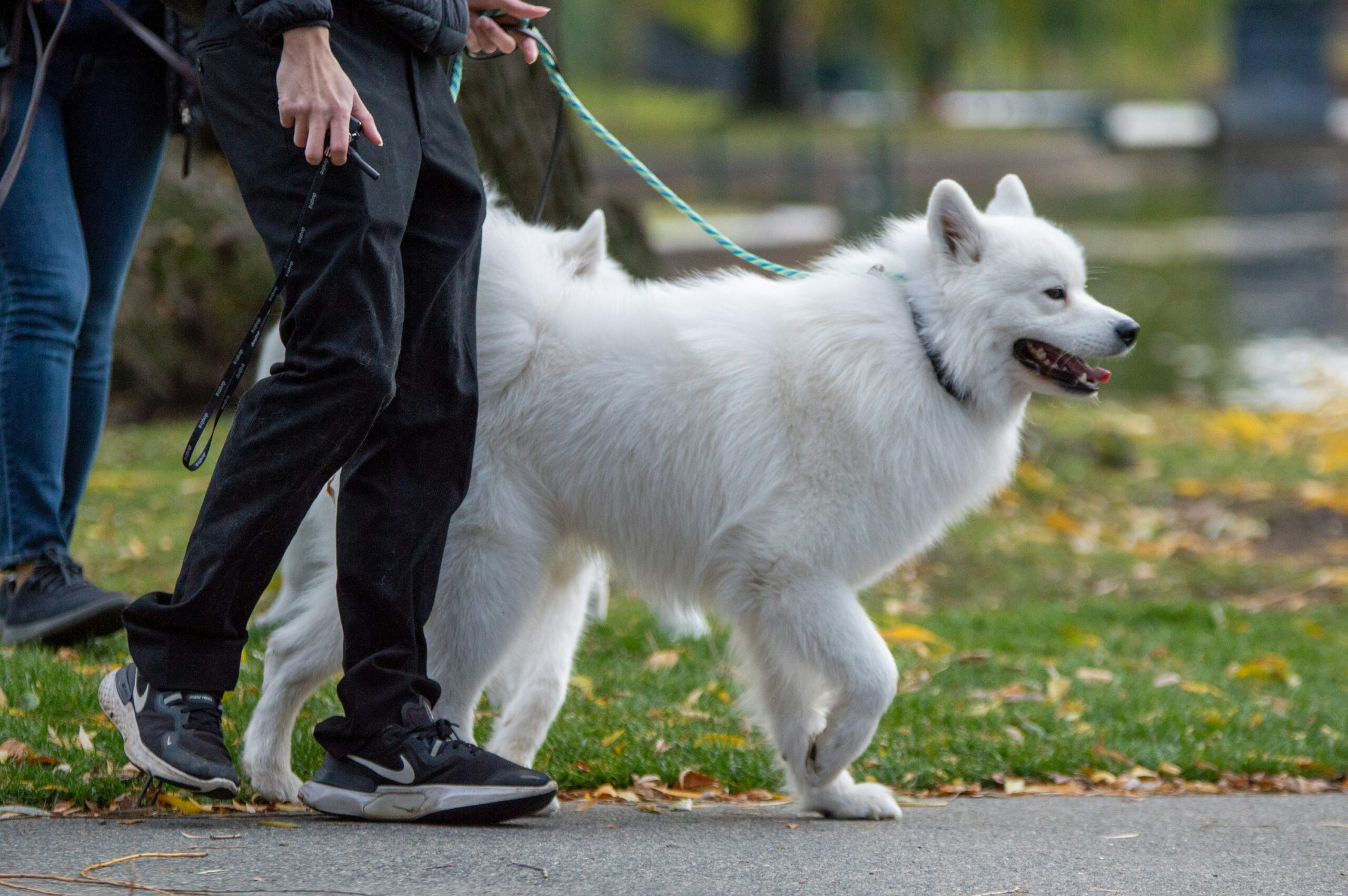
Reinforce loose-leash walking on ordinary outings.
Use a quiet indoor session to review commands.
Consistent practice helps behaviors become familiar habits.
Why Your Dog’s Progress Might Slow Down
Too Many Distractions
A busy sidewalk may be too challenging for a newly learned skill.
Inconsistent Cues
Different household members may use different words or expectations.
Adolescent Behavior
Young dogs can become temporarily less reliable.
Stress and Fatigue
A dog who has experienced several difficult encounters may struggle to focus.
Adjust training when your dog seems overwhelmed.
How to Know Training Is Working
Look for improvements that matter in daily life.
Does your dog check in with you more often?
Can they wait calmly before entering an elevator?
Are walks becoming easier?
Do familiar commands work in more environments?
These improvements may be more meaningful than simply counting completed lessons.
When to Seek Professional Help
If your dog struggles with persistent leash pulling, poor impulse control, or difficulty responding around distractions, professional training can help.
Fear, aggression, or severe reactivity may require specialized behavior guidance.
Sudden behavioral changes should be evaluated by a veterinarian.
Final Thoughts
Training a city dog is about building dependable skills for real situations.
The first commands may come quickly, but reliability around New York City’s distractions develops through patient, consistent practice.
For puppy training, obedience, and advanced dog training in NYC, contact Off Leash K9 Training.
Phone: 646-741-0202
Email: nyc@offleashk9training.com
Frequently Asked Questions
Can I train my dog while living in an apartment?
Yes. Apartments provide useful opportunities to teach attention, calm behavior, and basic obedience.
How long does loose-leash walking take?
Some dogs improve within weeks, while others need months of consistent practice, especially around distractions.
Does city noise make training harder?
It can. Noise and activity may affect focus, particularly for sensitive or inexperienced dogs.
Is a two-week board-and-train program enough?
It may establish important skills, but owner practice and continued reinforcement are necessary afterward.
When can I trust my dog’s recall outside?
Only after extensive practice in appropriate environments. Never rely on unproven recall near traffic or other hazards.