
Handling Distractions on Walks
Your puppy walks beautifully inside.
They follow you in the driveway.
They respond to their name in the yard.
Then you step onto a busy sidewalk…
And suddenly you don’t exist.
Distractions are where leash training either falls apart — or truly begins.
The goal is not eliminating distractions.
The goal is teaching your puppy how to function around them.
 Why Distractions Feel So Overwhelming
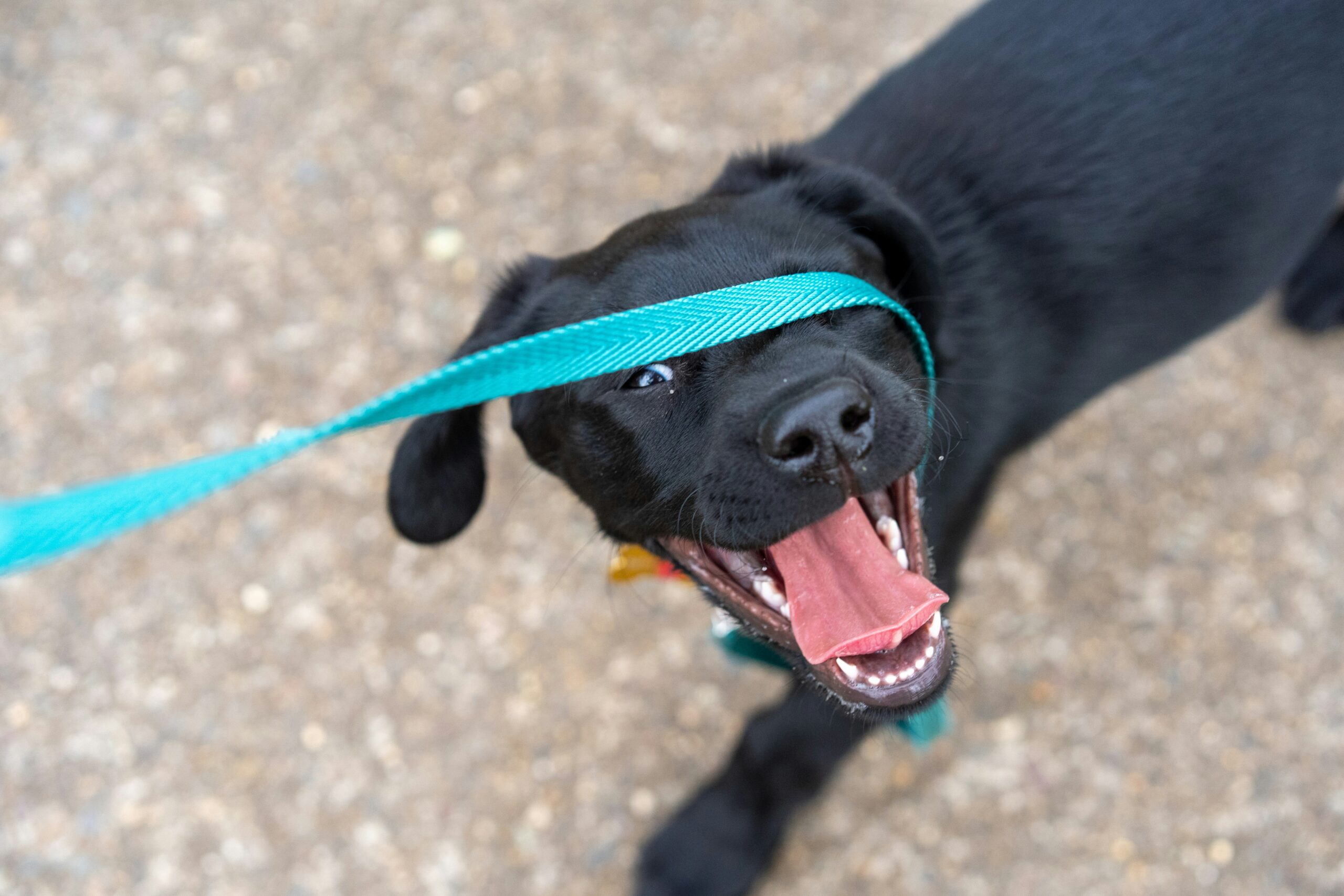
Puppies experience the world intensely.
Every smell is new.
Every sound is fascinating.
Every moving object demands attention.
Their brains are still developing impulse control.
So when they see:
-
Another dog
-
A running child
-
A blowing leaf
-
A passing car
-
A bird hopping nearby
Their instinct is to react first, think later.
Leash training outdoors isn’t about obedience.
It’s about helping them regulate excitement.
Step 1: Lower the Difficulty
Many pulling problems aren’t training failures.
They’re environment failures.
If your puppy cannot respond to their name, you’re too close to the distraction.
Distance is your best friend.
If your puppy pulls toward another dog:
Create space.
Move farther away until your puppy can:
-
Look at the distraction
-
Then look back at you
That moment of re-engagement is where learning happens.
Step 2: Reward Check-Ins
When outdoors, begin rewarding spontaneous attention.
If your puppy looks at you without being asked:
Mark → reward immediately.
This builds the habit of checking in.
Eventually, your puppy begins thinking:
“Where’s my person?”
That question prevents many leash issues.
Don’t wait for perfect walking to reward.
Reward engagement often.
Step 3: Teach the “Look at That” Pattern
Instead of fighting distractions, use them.
When your puppy notices something exciting:
-
Let them look.
-
The moment they glance back at you → mark and reward.
You’re teaching:
“I can notice the world… and still choose my human.”
This reduces frustration because you’re not forbidding interest.
You’re guiding it.
 Socialization vs Overstimulation
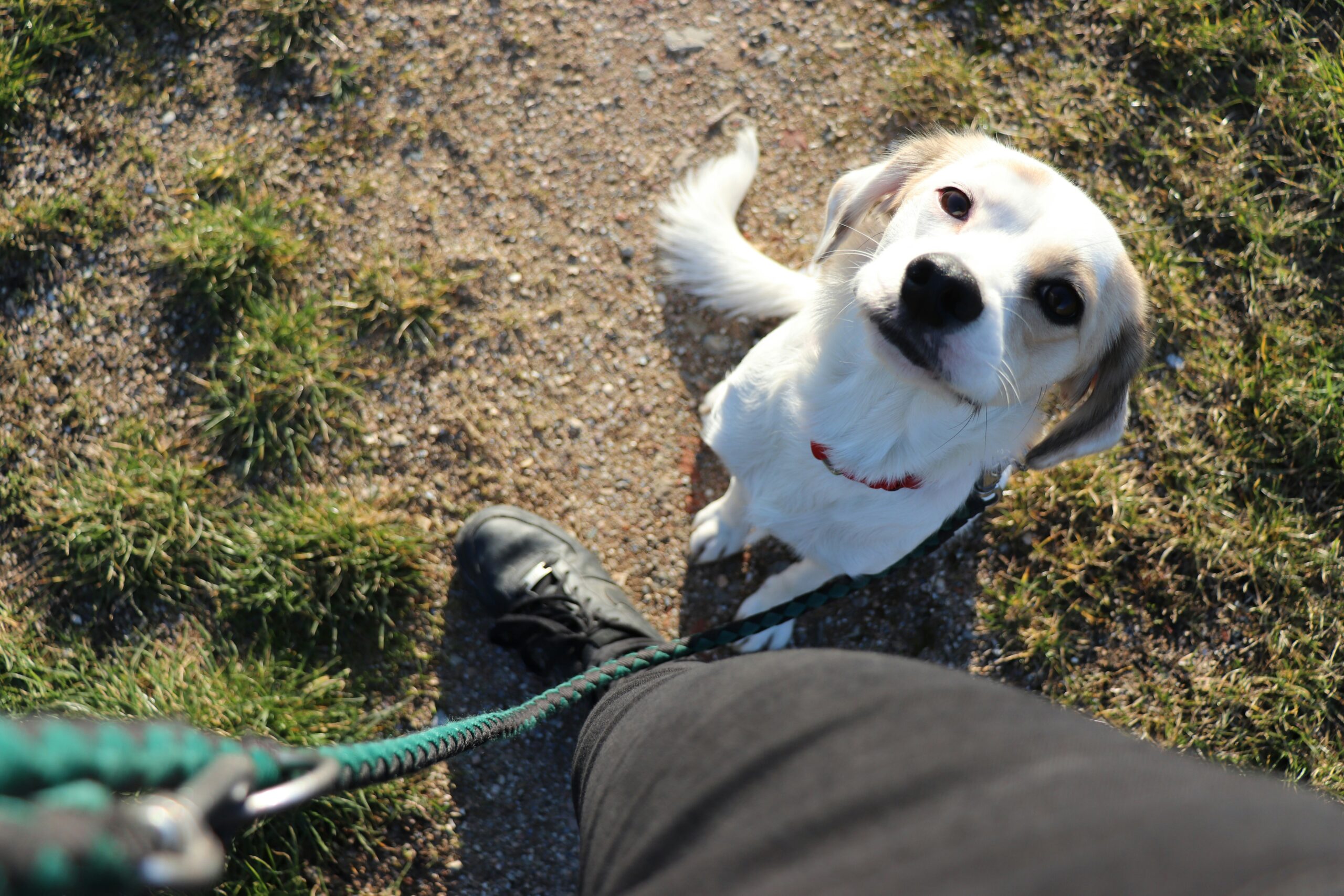
Many owners believe socialization means allowing every interaction.
It doesn’t.
True socialization means exposure without overwhelm.
If your puppy is:
-
Lunging toward every dog
-
Barking in excitement
-
Whining intensely
-
Ignoring you completely
They’re likely overstimulated.
Instead of greeting everything, practice neutrality.
Teach them:
Not every dog is for meeting.
Not every person is for greeting.
Calm observation is a skill.
Step 4: Use Pattern Games
Pattern games build predictability in unpredictable environments.
Example:
Walk 3 steps → treat.
Walk 3 steps → treat.
Walk 3 steps → treat.
Your puppy begins focusing on the rhythm instead of scanning constantly.
Structured patterns calm busy brains.
Gradually increase the number of steps between rewards.
Step 5: Keep Early Outdoor Walks Short
Young puppies do not need long walks.
They need positive exposures.
5–10 focused minutes is often enough.
Long walks increase:
-
Fatigue
-
Overstimulation
-
Impulse loss
-
Pulling
Quality matters more than distance.
If Your Puppy Locks Onto Something
Sometimes a distraction is too strong.
If your puppy freezes and stares:
Don’t drag them away.
Instead:
-
Increase distance calmly.
-
Use cheerful movement to re-engage.
-
Reward the smallest head turn toward you.
You’re not overpowering fixation.
You’re redirecting focus.
Avoid the “Constant Cue” Trap
If you find yourself saying:
“Leave it.”
“No.”
“Come on.”
“Let’s go.”
“Stop.”
Repeatedly — your puppy isn’t ready for that environment.
Cues should work because they’ve been reinforced.
If they aren’t working, lower difficulty.
Training should feel achievable.
 Practice Controlled Setups
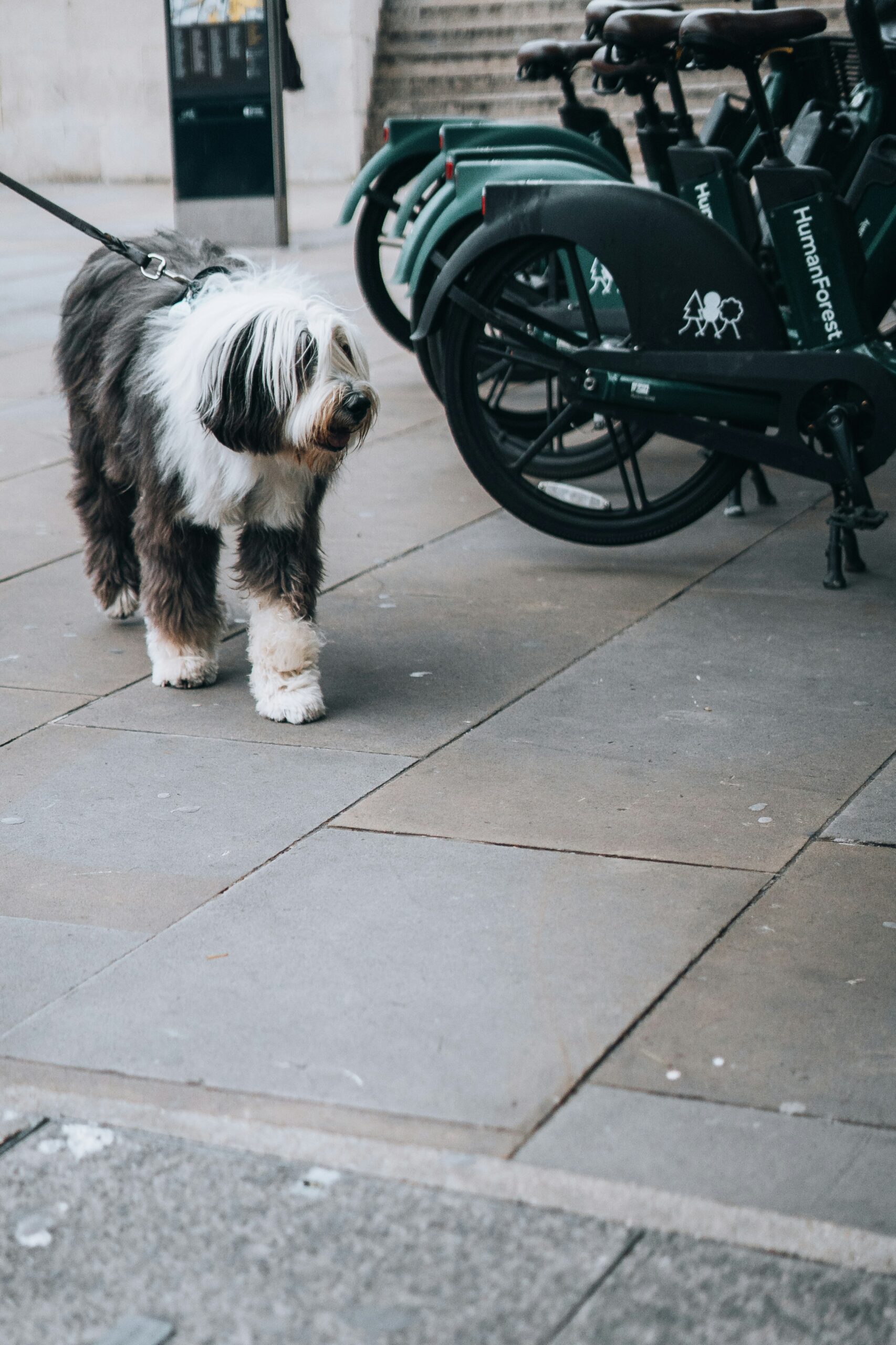
Instead of waiting for random distractions, create predictable ones.
For example:
-
Ask a friend to stand at a distance.
-
Practice walking past calmly.
-
Reward engagement heavily.
-
Slowly decrease distance over time.
Structured exposure builds skill far more effectively than chaotic exposure.
Your Energy Matters
Puppies read tension instantly.
If you see another dog and tighten the leash nervously, your puppy feels it.
Loose shoulders.
Steady breathing.
Calm tone.
Confidence communicates safety.
What Progress Looks Like
Success with distractions does not mean your puppy ignores everything.
It means:
-
They recover faster.
-
They check in more frequently.
-
Pulling decreases in intensity.
-
They can walk past mild distractions.
-
You feel more in control.
Focus grows gradually.
Consistency builds it.
The Long-Term Goal
You are not trying to eliminate curiosity.
You are teaching regulation.
A well-trained dog:
-
Notices the world.
-
Stays responsive.
-
Moves cooperatively.
-
Walks without constant tension.
And that is built through thoughtful exposure — not force.
The Bottom Line
To handle distractions:
-
Use distance wisely.
-
Reward check-ins.
-
Practice structured patterns.
-
Keep walks short.
-
Avoid overwhelming environments.
-
Stay calm and consistent.
Distractions aren’t obstacles.
They’re training opportunities.
Handled correctly, they build the most reliable leash manners of all.