How to Fade Food Rewards the Right Way
One of the most common questions in positive reinforcement training is:
“Will my dog only listen if I have treats?”
The short answer?
Only if fading is done incorrectly.
Food is a powerful teaching tool — especially in early training — but it is not meant to be a lifelong bribe. When you use marking properly and shift reinforcement strategically, you can maintain reliability without constantly handing out treats.
The key is understanding the difference between luring, rewarding, and reinforcing on a schedule.
Let’s break it down.
 Food Is for Teaching — Not Forever
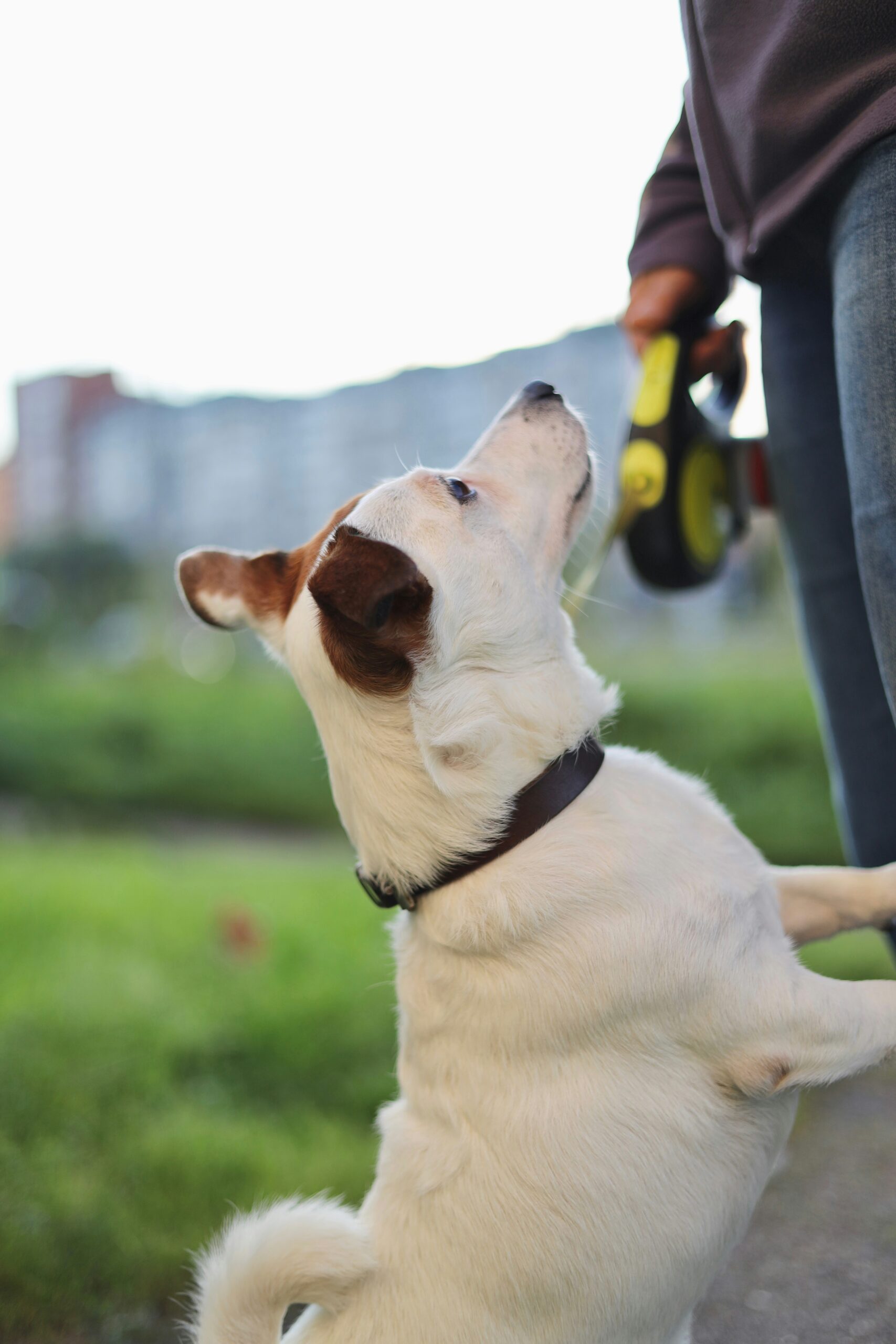
In the beginning stages of learning a new behavior, food is incredibly effective because it is:
-
Fast
-
Clear
-
Repeatable
-
Motivating
It helps your dog quickly understand the pattern:
Behavior → Marker → Reward
But once the behavior is clearly understood, the reinforcement schedule can change.
This is where many owners either rush too quickly — or never transition at all.
The Biggest Mistake: Stopping Rewards Too Soon
If you remove food rewards before the behavior is solid, your dog may:
-
Stop responding reliably
-
Become confused
-
Test boundaries
-
Lose enthusiasm
Fading must happen gradually.
Reliability first. Reduction second.
Step 1: Separate the Marker From the Food
Your marker always predicts reinforcement.
But reinforcement does not always have to be food.
Early on:
Marker → Food (every time)
Later:
Marker → Sometimes food, sometimes something else.
This is how you prevent dependency.
The marker stays consistent. The reward becomes variable.
Step 2: Move to Variable Reinforcement
Variable reinforcement means your dog does not get rewarded every single time — but they don’t know which repetition will pay.
This creates stronger behavior patterns.
Think of it like a slot machine. The unpredictability actually increases persistence.
For example:
Sit → Mark → Treat
Sit → Mark → Praise
Sit → Mark → No food this time
Sit → Mark → Treat
Over time, your dog continues responding because reinforcement is still possible.
 Why Variable Reinforcement Works
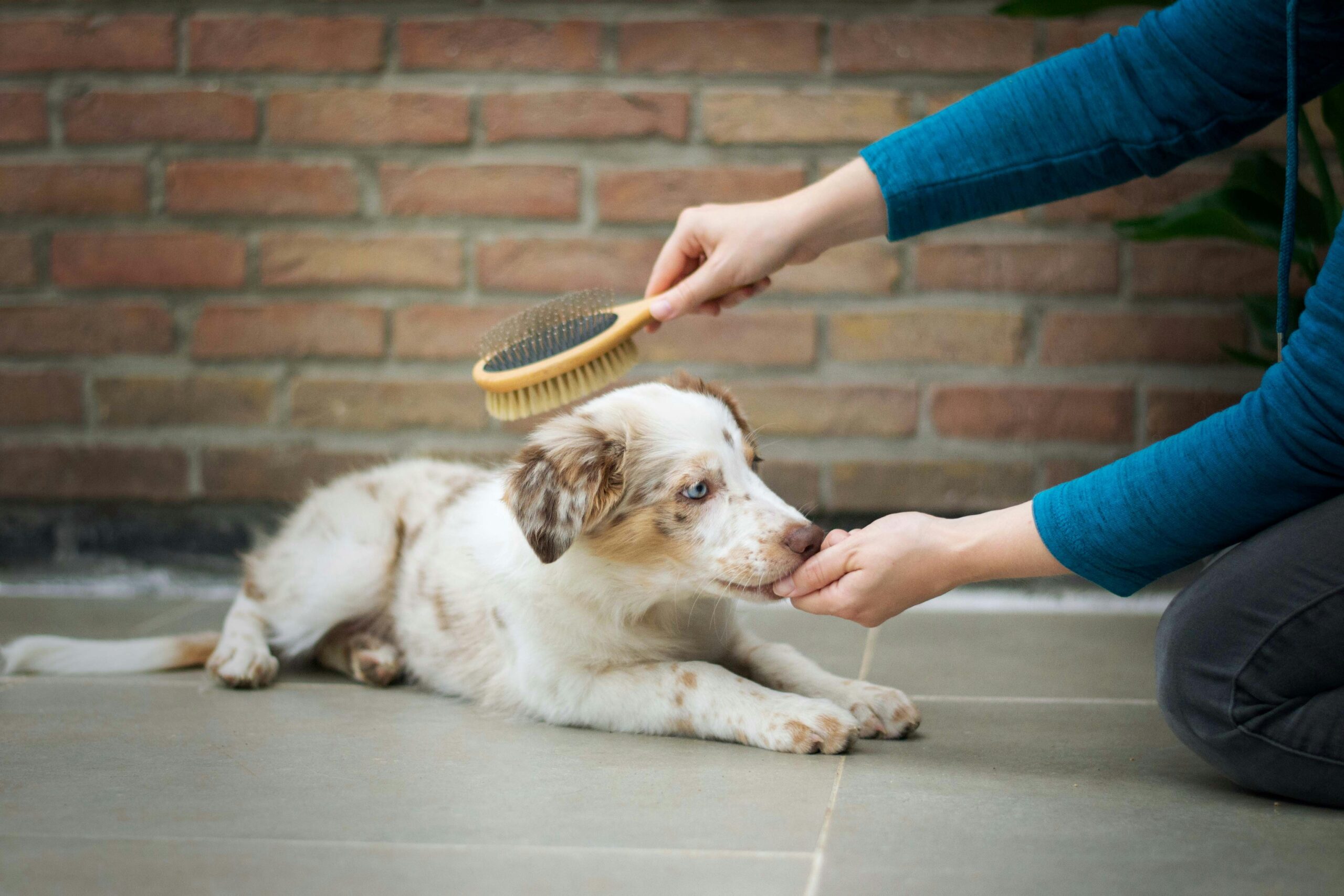
Behavior that is rewarded intermittently becomes more durable.
If a dog is rewarded every single time, they may notice quickly when reinforcement stops.
But if they are used to occasional rewards, they are more likely to keep trying.
This strengthens reliability — not weakens it.
Step 3: Introduce Life Rewards
Food is not the only reward.
Real-life rewards are incredibly powerful.
Examples include:
-
Going outside
-
Greeting a person
-
Sniffing a tree
-
Playing fetch
-
Getting on the couch
-
Access to a toy
If your dog sits at the door calmly:
Mark → Open the door.
Now access is the reinforcement.
This is how training integrates into daily life naturally.
Step 4: Avoid Accidental Bribery
Bribery looks like this:
Show treat → Dog performs behavior → Dog gets treat.
Reinforcement looks like this:
Ask for behavior → Dog performs behavior → Mark → Produce reward.
The treat should appear after the marker — not before the behavior.
If your dog only responds when they see food in your hand, you may have unintentionally created a lure dependency.
To fix it:
-
Keep treats hidden.
-
Ask for behavior first.
-
Mark.
-
Then reach for the reward.
This keeps the behavior strong without visual prompts.
Step 5: Fade Gradually, Not Abruptly
Do not go from 100% food rewards to zero overnight.
Instead:
-
Reward every time during learning.
-
Reward 75% of the time once reliable.
-
Reward 50% of the time once solid.
-
Shift to random reinforcement long-term.
For highly important behaviors like recall, continue rewarding generously.
Some behaviors deserve lifelong reinforcement.
 What Should Never Be Fully Faded?
High-value behaviors such as:
-
Coming when called
-
Emergency recall
-
Polite greeting in distracting environments
-
Calm behavior around triggers
These behaviors benefit from ongoing, meaningful reinforcement.
You may not reward every time — but strong reinforcement should remain frequent.
The Confidence Factor
When fading is done correctly, dogs become:
-
More consistent
-
More motivated
-
More resilient
-
More engaged
They are not working “for treats.”
They are working because the behavior has a history of paying off.
That history builds trust.
Signs You Faded Too Fast
If your dog:
-
Stops responding
-
Looks confused
-
Responds slowly
-
Tests commands repeatedly
You may have reduced reinforcement too quickly.
Simply go back a step. Reinforce more frequently again. Then fade gradually.
Training is not linear — it’s adaptive.
The Role of Praise
Praise alone is not always a strong enough reinforcer — especially early on.
But once behaviors are established, praise can absolutely maintain them when layered with occasional food or life rewards.
The marker still signals correctness.
The type of reinforcement becomes flexible.
The Bottom Line
Food is not a crutch — it’s a teaching tool.
When you mark clearly and transition to variable reinforcement thoughtfully, your dog will not become treat-dependent.
Instead, they’ll become reinforcement-savvy.
They’ll understand:
“This behavior works. It pays. I’ll keep doing it.”
And that’s exactly what we want.